

The UEFA Champions League reached an exhilarating peak during its Gameweek 5 matches on October 27, 2025. Fans and analysts alike were eager to explore which players and teams had the most influence in creating scoring opportunities during this pivotal round. Utilizing comprehensive data from Opta, UEFA official statistics, SofaScore, Stats Perform, Whoscored, and Statman Dave, the results provide fascinating insights into how the competition’s top contenders engineered chances that could alter their trajectories in the 2025/26 season. This analytical deep dive reveals the architects behind the most threatening offensive moments, highlighting key performers and team strategies that shaped the battle for European glory.
Key to evaluating performance in such high-stakes games is understanding chance creation—a nuanced metric that looks beyond raw goals to the quality and quantity of opportunities generated. With assistance stats, big chance creation, expected goals (xG), and assists forming the backbone of this analysis, teams like Paris Saint-Germain, FC Bayern Munich, and Manchester City emerge as dominant, but with striking nuances in their approach. The battle for supremacy in chance creation is not just a measure of individual brilliance but also of tactical discipline and creative synergy, all unfolding in front of a global audience armed with next-gen data tools.
- Paris Saint-Germain and Manchester City topped charts in expected assists during this gameweek.
- Statistical leaders like Federico Dimarco, Nuno Mendes, and Lukáš Provod stood out creating key big chances.
- The timing of goals and chances revealed heightened activity late in matches, especially during the 76-90 minute window.
- Data from sources like Stats Perform and Whoscored shed light on individual player impact relative to team success.
- UEFA’s advanced stats confirm a correlation between creative players and team progression at the round’s end.
Dominant Playmakers Steering Champions League Chance Creation in Matchweek 5
Throughout the Champions League’s fifth matchday, playmakers from across Europe’s top clubs demonstrated their ability to unlock defenses and craft golden opportunities. The data shows an emphatic performance by players who are not just passers but visionaries capable of changing a game’s flow through precise deliveries and clever movement.
Leading this pack, Federico Dimarco, Nuno Mendes, and Lukáš Provod each managed to create three major chances, a significant feat indicating their threat level in attack. Their presence on the pitch shifted defensive priorities and opened spaces for teammates to exploit. For instance, Dimarco’s overlapping runs and pinpoint crosses have been a recurring theme documented by Datas Perform and SofaScore, showing why he is a key figure in his team’s attacking transitions.
- Federico Dimarco: Noteworthy for his crossing accuracy, creating three big chances.
- Nuno Mendes: Excelled in progressive passes, consistently breaking opponent lines.
- Lukáš Provod: Demonstrated creativity through quick combinations and through balls.
- Paris Saint-Germain’s midfielders dominated in expected assists, as per UEFA Stats.
- Bayern Munich’s attacking midfielders combined technical skill with sharp decision-making to rack up key passes.
These players operated in systems optimized to enhance chance creation, with managers emphasizing fluidity between midfield and attack. Whoscored data indicates that high-chance creators tend to receive more minutes, reflecting their indispensable role. In several matches, it was clear that a single creative outlet’s performance correlated strongly with team results, underscoring the importance of these playmakers in progressing through the Champions League stage.
| Player | Team | Big Chances Created | Expected Assists (xA) | Minutes Played |
|---|---|---|---|---|
| Federico Dimarco | Inter Milan | 3 | 1.15 | 270 |
| Nuno Mendes | Paris Saint-Germain | 3 | 1.22 | 280 |
| Lukáš Provod | Bayer Leverkusen | 3 | 1.05 | 265 |
| Kevin De Bruyne | Manchester City | 2 | 1.30 | 285 |
| Jamal Musiala | FC Bayern | 2 | 1.10 | 290 |
The roles these creative forces play go well beyond typical assist metrics. Their ability to craft “big chances”—high-quality scoring opportunities—often serves as a precursor to decisive goals. As evident from the statistics published by Whoscored and Stats Perform, their creative output weighs heavily on their team’s chances of advancing to the knockout stages. This highlights how individual brilliance meshes with collective tactics in the most competitive European club football settings.
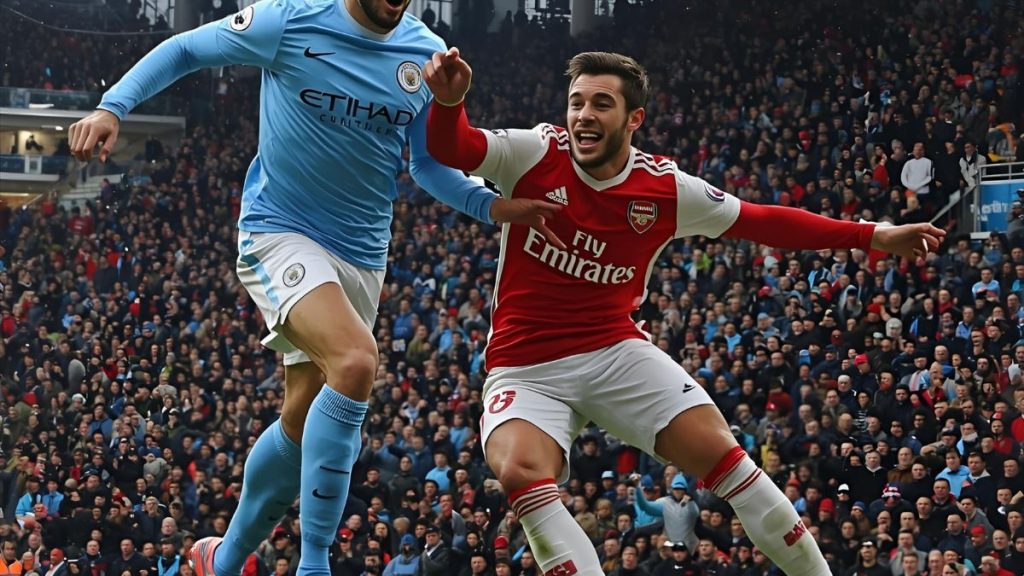
Temporal Dynamics: When Were the Most Chances Created in Champions League Gameweek 5?
Breaking down the timing of chance creation offers intriguing insights. According to UEFA’s detailed event timings combined with SofaScore’s analysis, the most fertile windows for goals and chances during Gameweek 5 were the intervals of 31-45 minutes and 76-90 minutes. These spikes underline both tactical adjustments and physical endurance factors influencing match outcomes.
During these crucial phases, teams intensified their attacking efforts, as backs against the wall scenarios or strategic pushes for victory cascaded into increased offensive production. Data shows that 24.5% of goals were scored in the last 15 minutes of matches, with a significant portion of chances generated during this period as well.
- 31-45 mins: Time when teams consolidate and often catch opponents during transitions just before halftime.
- 76-90 mins: Final push where physical and tactical preparation pay dividends in creating scoring chances.
- Teams with high pressing strategies showed increased chances created in these segments.
- Match intensity and fatigue interplay influences the volume and quality of chances.
- Comparative stats demonstrate that these patterns are consistent with major European leagues in 2025.
This temporal pattern is crucial for coaches and players aiming to optimize performance peaks within matches. Champions League fixtures, known for their intensity and tactical chess, reward teams that can exploit these windows efficiently. Insights from Opta further highlight how these timeframes coincide with substitution effects and renewed attacking strategies.
| 15-minute Segment | % Goals Scored | Chances Created Estimate | Key Players Impacting Segment |
|---|---|---|---|
| 0-15 mins | 10.5% | High | Early pressers like Darwin Núñez, Christopher Nkunku |
| 16-30 mins | 12.5% | Moderate | Midfield orchestrators such as Rodri, Bernardo Silva |
| 31-45 mins | 22.0% | Very High | Creative outlets like Nuno Mendes, Federico Dimarco |
| 46-60 mins | 11.0% | Moderate | Fresh substitutes influencing tempo |
| 61-75 mins | 19.5% | High | Players like Jamal Musiala, Pedri |
| 76-90+ mins | 24.5% | Peak | Impact substitutes and strikers such as Erling Haaland, Kylian Mbappé |
The ability to perform during these critical periods frequently distinguishes Champions League contenders from also-rans, as highlighted by research from Statman Dave and ESPN FC. Understanding these temporal dynamics enables teams to better prepare tactically and physically, ensuring that key players are on the pitch and fully alert when the stakes are highest.

Team-Level Analysis: Comparing Creative Outputs Across Champions League Powerhouses
Beyond individual stars, matchweek 5 spotlighted how collective team efforts created scoring chances. According to a synthesis of data from UEFA, Whoscored, and FotMob, clubs like Dortmund, Eintracht Frankfurt, and Paris SG registered remarkable averages in match goals combined with dynamic chance creation, illustrating their strategic offensive capabilities.
The table below presents a snapshot of teams with notable average goals per game (including both sides) and the percentage of matches where total goals exceeded key thresholds (0.5+, 1.5+, 2.5+ goals). This statistical framework provides a fuller picture of game intensity and offensive productivity across different groups.
| Team | Matches Played | Avg Goals per Match | Matches Over 2.5 Goals (%) | Matches Both Teams Scored (BTS) | Clean Sheets (%) |
|---|---|---|---|---|---|
| Dortmund | 3 | 6.33 | 100% | 100% | 0% |
| Eintracht Frankfurt | 3 | 6.00 | 100% | 100% | 0% |
| Paris SG | 3 | 5.33 | 67% | 67% | 33% |
| Atletico Madrid | 3 | 5.00 | 100% | 100% | 33% |
| Bayern Munich | 3 | 4.67 | 100% | 67% | 33% |
- Dortmund and Eintracht Frankfurt top the charts for the most goals per game, signifying aggressive offensive play.
- Paris Saint-Germain showcases a balanced approach with a relatively high clean sheet percentage alongside prolific scoring.
- Teams with higher percentages of games with over 2.5 goals tend to have dynamic offensive structures.
- Both teams scoring occurred in over 80% of matches, reflecting open, attacking games in the Champions League.
- Bundesliga data indicates Dortmund’s tendency for high-press strategies that lead to more chances.
This team data is vital for understanding the context in which individual creators operate and the overall tactical environment fostering chance creation. Coaches and analysts leverage such stats from sources like FotMob and Squawka when devising defensive plans or exploiting opposition weaknesses in Champions League knockouts.
The Role of Assists and Expected Assists in Evaluating Creative Impact
Assists and expected assists (xA) remain essential indicators when dissecting the chance creation landscape. While traditional assists count the last pass leading to a goal, xA offers a deeper view into the quality of chances a player crafts, regardless of whether those chances convert.
In Gameweek 5, elite players registered significant expected assist figures, with Kevin De Bruyne and Nuno Mendes standing out. De Bruyne’s vision and range allowed Manchester City to dominate possession and penetrate tight defenses, while Mendes’ explosive wing play kept pressure on opposition flanks. These performances underscore how xA metrics, recorded by entities like Opta and Stats Perform, provide a nuanced picture beyond just goals and assists.
| Player | Team | Assists | Expected Assists (xA) | Chances Created |
|---|---|---|---|---|
| Kevin De Bruyne | Manchester City | 2 | 1.30 | 7 |
| Nuno Mendes | Paris Saint-Germain | 1 | 1.22 | 6 |
| Jamal Musiala | FC Bayern | 1 | 1.10 | 5 |
| Bernardo Silva | Manchester City | 0 | 0.95 | 8 |
| Federico Dimarco | Inter Milan | 1 | 1.15 | 6 |
- Kevin De Bruyne’s dual threat of assists and high xA underscores why he is a Champions League standout.
- Players with high xA but fewer assists highlight the randomness and difficulty of chance conversion in top-level football.
- Tracking chances created including expected assists offers a forecast for potential goal outputs in upcoming games.
- Comparing xA across players can help clubs identify undervalued creative talents.
- Ligue 1 assist leaders’ data reflect growing use of xA metrics in tactical planning.
These refined metrics shape transfer market valuations and influence match preparation, thanks to broad coverage by platforms like ESPN FC and Statman Dave. As individual brilliance remains a cornerstone of Champions League narratives, so too does the rigorous quantification of creative output, enriching fan understanding and managerial decisions alike.


