
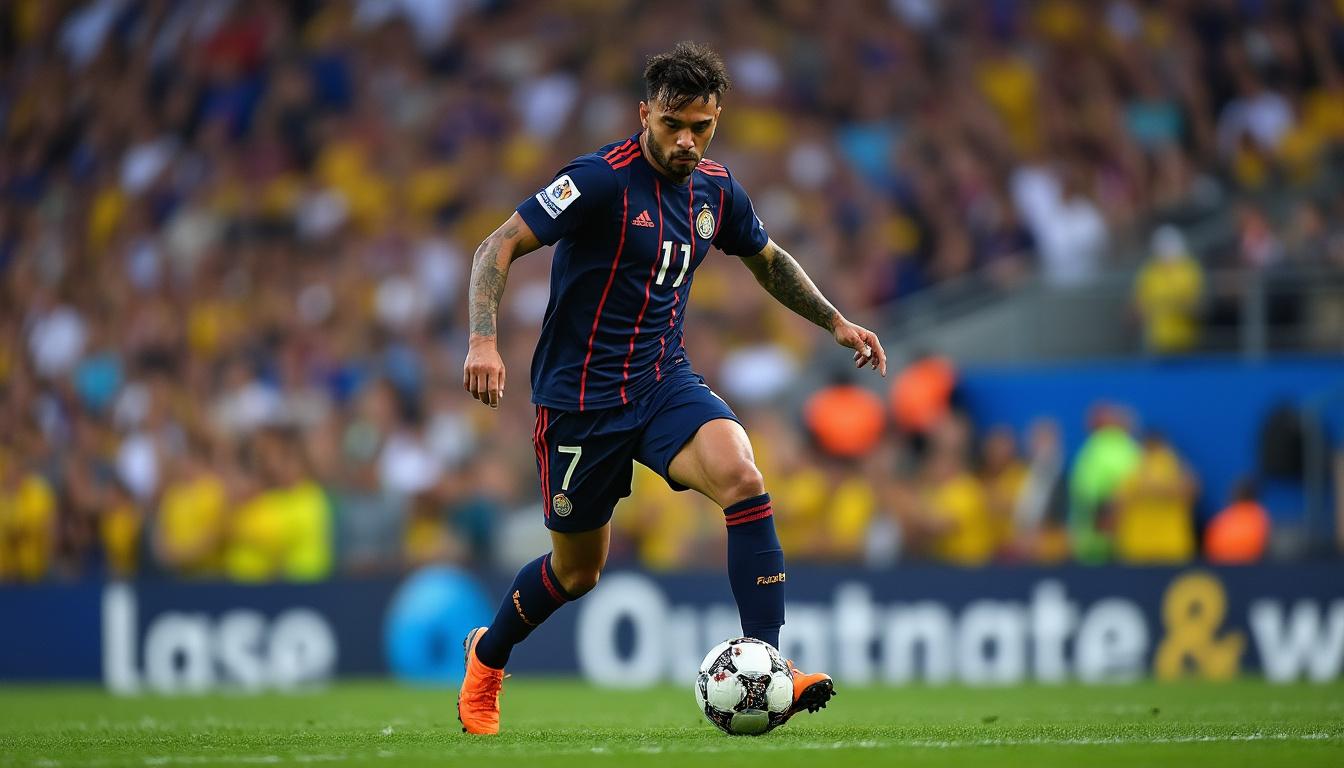
The 2025 FIFA Club World Cup is generating unparalleled excitement as December arrives, with contenders across continents vying for supremacy in this highly anticipated global football championship. This year’s expanded tournament format has intensified the competition, drawing attention to teams exhibiting exceptional form and tactical prowess leading up to the knockout stages. Fans and analysts alike are closely evaluating the strengths, weaknesses, and momentum of clubs from Europe’s elite leagues to South America’s robust champions. The ongoing battle blends tradition and innovation, spotlighting how football’s evolving dynamics influence the tournament’s favorite contenders and potential dark horses.
Key Highlights of the Club World Cup Build-Up:
- Manchester City showcases an explosive offense complemented by tactical mastery.
- Paris Saint-Germain balances star-studded talent with concerns over stamina post-Champions League.
- Real Madrid’s consistent progression highlights their international pedigree.
- Brazilian teams like Botafogo bring fresh vigor and underdog potential.
- Emerging clubs challenge status quos amid the expanded competitive field.
- Strategies and form guide predictions are pivotal to understanding favorites in December’s hunt for the trophy.
Powerhouses Entering December: Evaluating Top Contenders and Their Tactical Edge
As the Club World Cup progresses into December 2025, the tournament has firmly established itself as a rigid battleground showcasing the world’s foremost soccer talents. Among the favorites, Manchester City reigns supreme with an impressive tally of 13 goals scored and only two conceded during their group stage performance, exemplifying a lethal offensive and a rock-solid defense. Pep Guardiola’s side dismantled Juventus with ruthless efficiency, setting a benchmark for competitive dominance. Their precise, attacking style is buoyed by years of top-level experience and depth, positioning City as the team to beat heading into the knockout rounds.
Likewise, Paris Saint-Germain has generated buzz following a commanding 4-0 victory over Atletico Madrid, signaling their capability to overwhelm opponents with technical brilliance. However, a surprising slip against Botafogo and uneven group results have cast doubts over their consistency. This team thrives on the synergy between rising stars like Khvicha Kvaratskhelia and Ousmane Dembélé, balanced by seasoned campaigners, but the long season’s fatigue post-Champions League may affect endurance levels moving forward.
Real Madrid’s journey has unfolded gradually yet confidently. After a slow start marked by a draw against Al-Hilal, the reigning European champions are building momentum, highlighted by a 3-1 triumph over Red Bull Salzburg. With Jude Bellingham’s creativity and Vinicius Junior’s pace, alongside Xabi Alonso’s growing managerial acumen, Madrid blends flair with tactical discipline—a combination that has traditionally thrived in high-pressure tournaments.
Bayern Munich’s explosive 10-0 demolition of Auckland City contrasted sharply with subsequent struggles, revealing vulnerabilities in midfield control and Harry Kane’s goal drought. Their precarious group-stage advancement means every knockout game, particularly against Flamengo, is crucial. Although their raw talent remains undeniable, current form prompts caution from bettors and fans analyzing soccer betting insights.
Meanwhile, Botafogo has emerged from the shadows with a stunning upset over PSG, proving they are more than mere participants. Their disciplined counter-attacking approach and Igor Jesus’s standout performances highlight their potential as serious contenders, emblematic of South American football’s grit and flair that could unsettle European giants.
| Team | Group Stage Performance | Key Player(s) | Strengths | Challenges |
|---|---|---|---|---|
| Manchester City | 13 goals, 2 conceded | Erling Haaland | Attacking fluidity, squad depth | High-pressure knockout games |
| Paris Saint-Germain | Won Group B | Ousmane Dembélé, Khvicha Kvaratskhelia | Technical skill, versatile offense | Fatigue, inconsistency |
| Real Madrid | Strong finish after slow start | Jude Bellingham, Vinicius Junior | Experience, tactical discipline | Slow group start |
| Bayern Munich | Mixed results; strong start | Harry Kane | Talent, offensive power | Goal drought, midfield issues |
| Botafogo | Upset over PSG | Igor Jesus | Defensive structure, counter-attack | Underdog status |

South American Resurgence: How Contenders Like Botafogo and Fluminense Challenge the Established Order
The expanded Club World Cup format has rekindled South America’s influence on the global soccer stage, offering teams like Botafogo and Fluminense newfound opportunities to assert themselves amidst the giants. Botafogo’s gripping victory over PSG was underpinned by disciplined team defense and rapid counter-attacks, with Igor Jesus’s breakout performances energizing their campaign. This resilience captures the essence of South American football’s evolving dynamics as they confront European juggernauts.
Fluminense also stands out as a formidable contender from Brazil’s Serie A, positioned to advance beyond their group, which includes comparatively less challenging opposition like Mamelodi Sundowns FC and Ulsan Hyundai. This positioning enhances their chances to progress further, drawing on their sharp offensive capabilities and relentless pressing game. Their potential runner-up finish among Brazilian teams may surprise many given the strength and reputations of Flamengo, Palmeiras, and Botafogo within this gathering.
In the broader context, South American teams are leveraging their tactical intelligence, physicality, and passion to bridge the gap with European clubs more accustomed to packed continental calendars. The tournament’s platform illustrates how global football’s soccer ecosystems are gradually becoming more balanced, with South American sides embracing both tradition and tactical innovation to challenge for the title.
- Botafogo’s defensive discipline and counter-attacking strength under spotlight.
- Fluminense’s balanced group creates realistic pathways to knockout stages.
- Brazilian teams bring vibrant styles emphasizing technique and endurance.
- Competition reshapes perceptions about continental dominance.
- Increasing parity makes betting markets more volatile and fascinating.
| South American Team | Group Status | Strengths | Key Match-ups | Potential Challenges |
|---|---|---|---|---|
| Botafogo | Advanced from group stage | Counter-attack, grit, structure | PSG, Flamengo (Round of 16) | Maintaining form against Europe’s best |
| Fluminense | Favorable group | Balanced attack, endurance | Borussia Dortmund | Building consistency in high-pressure games |
| Flamengo | In a tough group with Chelsea, LAFC | Experience, Brazilian flair | Chelsea | Overcoming European tactical discipline |
Analyzing Tactical Depth and Form: The Role of Squad Rotation and Player Fitness
The December stage of the Club World Cup demands not only technical ability but also strategic squad management. Teams like Manchester City benefit from extensive squad depth, allowing Pep Guardiola to rotate players and manage fatigue effectively—a crucial advantage given the intensity of the tournament’s schedule. This capacity ensures that players remain at peak sharpness, minimizing injury risks and maximizing tactical adaptability in various game scenarios.
Conversely, Paris Saint-Germain faces challenges balancing the workload after their Champions League campaign, and managing star players’ fitness becomes pivotal. Their reliance on attacking brilliance must be tempered with defensive solidity and consistent performances across matches. Players’ stamina, recovery protocols, and psychological readiness will influence outcomes as the knockout rounds approach.
Real Madrid’s position showcases the importance of incremental tactical adjustments and player form. Incorporating young talents like Jude Bellingham injects energy and versatility, while seasoned professionals provide stability. Bayern Munich’s struggles with goalscoring and midfield dominance highlight the consequences of uneven rotation and inability to maintain sharpness.
- Effective squad rotation reduces injury risk and sustains performance.
- Player fitness directly correlates with high-intensity tournament success.
- Adaptation of tactics depending on opposition styles vital for progression.
- Psychological readiness influenced by squad management decisions.
- Failure to manage workloads can cause early exits even for talented sides.
| Team | Squad Rotation Strength | Player Fitness Focus | Potential Risks | Strategic Edge |
|---|---|---|---|---|
| Manchester City | High depth, flexible rotation | Strong conditioning programs | Pressure of knockout rounds | Ability to maintain intensity and tactical fluidity |
| Paris Saint-Germain | Moderate rotation, fatigue concerns | Risk of player burnout | Injury and loss of momentum | Star quality to overcome fatigue |
| Real Madrid | Balanced rotation incorporating youth | Maintaining form of key players | Slow starts impacting confidence | Experience in high-pressure moments |
| Bayern Munich | Less effective rotation strategies | Fitness inconsistencies | Goal scoring drought risks | Raw talent as fallback |
The Impact of Star Players: Haaland, Messi, and Emerging Talents Shaping the Championship
Individual brilliance often defines moments in the Club World Cup, and the 2025 edition is no exception. Manchester City’s Erling Haaland continues to be a goal-scoring machine, wreaking havoc on defenses—his dominance is well illustrated by his ongoing top scorer status in multiple competitions. His lethal precision and physical presence are pivotal for City’s campaign, forcing opponents to adapt defensively.
Paris Saint-Germain brings Lionel Messi into the fold, whose creative genius and experience elevate their offense. However, considering the team dynamics and upcoming matches against teams like Inter Miami, Messi’s influence is vital but not solitary. Younger talents such as Ousmane Dembélé and Desire Doue offer pace and unpredictability, complementing the star’s vision and skillset.
Real Madrid’s Jude Bellingham has cemented his reputation as a breakout star, blending youthful agility with composure beyond his years. Vinicius Junior’s pace continues to create chances, while Xabi Alonso’s managerial approach increasingly reflects his playing philosophy, marrying tactical discipline with attacking freedom.
- Haaland’s goal-scoring prowess makes City a constant threat.
- Messi’s leadership fuels PSG’s creative attacking play.
- Emerging players bring fresh energy and unpredictability.
- Experienced stars anchor team strategies and morale.
- Impact players often sway crucial knockout encounters.
| Player | Team | Role | Key Contributions | Impact on Title odds |
|---|---|---|---|---|
| Erling Haaland | Manchester City | Primary striker | Top scorer, lethal finishes | Elevates City to favorites |
| Lionel Messi | Paris Saint-Germain | Playmaker | Creative assists, leadership | Enhances PSG’s attacking threat |
| Jude Bellingham | Real Madrid | Midfield dynamo | Control and breakthroughs | Boosts Madrid’s tactical edge |
| Igor Jesus | Botafogo | Counterattack catalyst | Surprise breakout star | Dark horse influence |
Betting Trends and Predictions: Navigating Favoritism and Value in the 2025 Club World Cup
The surge of competitive balance in the 2025 FIFA Club World Cup is reflected in dynamic betting markets and expert predictions. Manchester City and Paris Saint-Germain stand out as the primary favorites, given their current form and squad depth. City’s style and Haaland’s finishing prowess have made them the cornerstone for many wagers, while PSG’s recent Champions League success under Luis Enrique’s leadership adds weight to their title aspirations.
However, analyzing fixtures and form reveals intriguing angles, such as Inter Miami’s attacking potential led by Messi and Luis Suarez, posing offensive challenges despite defensive vulnerabilities. Their prospects to advance from the group stages suggest scenarios where high-scoring games become lucrative bets, especially given Inter Miami’s home advantage on American soil.
Dark horse selections like Botafogo and Fluminense also enrich betting diversity. Botafogo’s established defensive systems and counter-attacking threat could disrupt favorites and offer high payouts for bettors willing to embrace calculated risks. Fluminense’s favorable group position and attacking prowess provide another value play, especially among Brazilian clubs competing fiercely for continental superiority.
- Manchester City’s odds bolstered by dominant form and tactical cohesion.
- PSG’s title chances tied to squad fitness and star contributions.
- High-scoring predictions favor attacking teams like Inter Miami.
- South American clubs offer compelling underdog bets.
- Expanded format diversity fuels unpredictable outcomes.
| Team | Predicted Odds | Recent Form | Betting Insights | Strategic Notes |
|---|---|---|---|---|
| Manchester City | Favorite | Dominant group stage | Strong value in outright winner bets | Depth key to endurance |
| Paris Saint-Germain | Close contender | Inconsistent but talented | Monitor fitness and rotation | Star-powered but vulnerable to fatigue |
| Inter Miami | Dark horse | High scoring, defensive weaknesses | Value in team total goals bets | Home advantage important |
| Botafogo | Underdog | Surprising results | Long odds but potential upset | Strong on counter-attack |
Which teams are the strongest favorites to win the 2025 FIFA Club World Cup?
Manchester City and Paris Saint-Germain are widely regarded as top favorites due to their outstanding form, squad depth, and tactical expertise.
How has the expanded tournament format affected competition?
The larger field of 32 teams has introduced greater parity, allowing more mid-tier and South American clubs to compete effectively against European powerhouses.
What impact do star players have on team performance in the Club World Cup?
Established stars such as Erling Haaland and Lionel Messi elevate their teams with crucial goals and creativity, while emerging talents provide fresh dynamism and tactical flexibility.
Are there any dark horse teams that could disrupt the expected outcome?
Yes, clubs like Botafogo and Fluminense have shown tactical discipline and counter-attacking capabilities that could surprise favorites and cause upsets.
How important is squad rotation and fitness in this intense tournament?
Managing player fitness and rotating squads effectively is key to sustaining form and minimizing injuries during the physically demanding knockout stages.


