
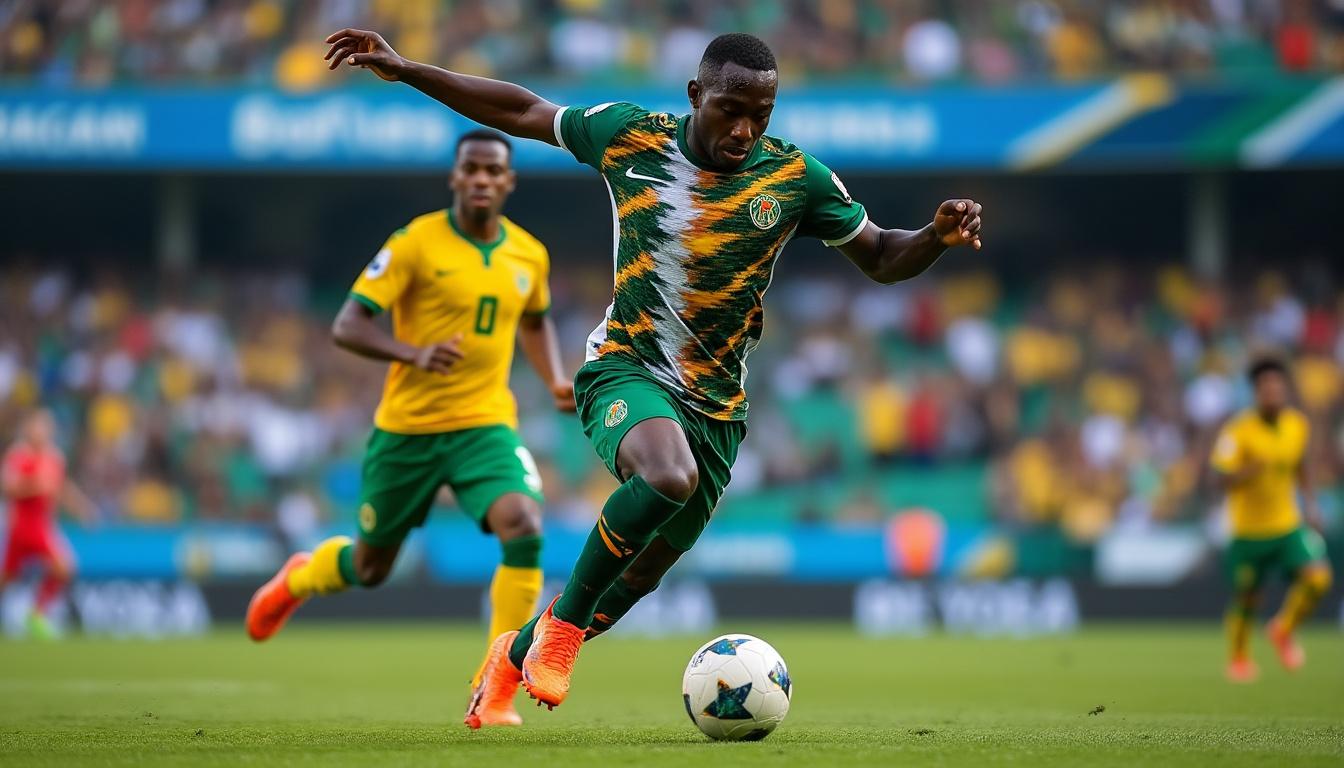
The Africa Cup of Nations (AFCON) 2025 is igniting anticipation across the continent as teams finalize preparations for a tournament poised to showcase the best of African football. Set to unfold in Morocco from December 21, 2025, to January 18, 2026, this 35th edition promises intense competition among 24 elite national squads. Recent match data and qualification performances illuminate which nations are shaping up as dominant forces likely to command their groups and advance with momentum. From Morocco’s tactical maturity and home advantage to historic powers such as Egypt and Senegal and rising challengers like Comoros, the group stage dynamics offer a rich tableau for football enthusiasts.
Africa’s football pedigree has grown markedly, with each AFCON iteration unveiling surprises and new stars. This time, the heightened tactical complexity and squad depth revealed in recent international fixtures provide meaningful insights into which nations possess the blend of experience, attacking threat, and defensive resilience necessary to thrive. The group compositions and fixture schedules also underscore critical strategic considerations that teams must negotiate to secure qualification to the knockout rounds. As excitement builds, the evolving match data paints a compelling story of potential breakthroughs, tactical battles, and regional pride, setting the stage for AFCON 2025 to be a festival of football brilliance and fierce competition.
- Morocco’s robust qualification campaign and home support offer a significant edge in Group A.
- Egypt and Senegal remain formidable contenders with a mix of experience and elite talent.
- Emerging nations such as Comoros and Burkina Faso inject unpredictability into their groups.
- Group dynamics highlight tactical matchups that could see traditional powers challenged.
- Player fitness and depth will be decisive factors given demanding tournament conditions.
Morocco’s Home Advantage and Tactical Mastery Position Them as Group A Leaders
Morocco enters AFCON 2025 bearing the dual identity of host and one of Africa’s top-ranked footballing nations, creating a potent combination for group stage dominance. Backed by a qualification record of six wins from six matches—during which the Atlas Lions scored an impressive 26 goals while conceding only two—their balance of offensive firepower and defensive discipline stands out. This remarkable form builds on Morocco’s notable semifinal run at the 2022 FIFA World Cup, highlighting the team’s progression on the international stage.
Key players such as Achraf Hakimi, known for his dynamic runs and defensive acumen at Paris Saint-Germain, and Brahim Diaz, a versatile attacker who proved a reliable goal-scoring asset during qualifiers, provide Morocco with tactical flexibility. The squad’s cohesion equips coach Walid Regragui with options to toggle between aggressive pressing and counter-attacking approaches as needed.
The group stage fixtures set Morocco against Mali, Zambia, and Comoros. Each opponent presents specific challenges:
- Mali: Known for their defensive resilience, Mali tests Morocco’s ability to break down disciplined defensive lines.
- Zambia: Their historic continental success and physical style demand Morocco’s tactical adaptability and stamina.
- Comoros: The tournament dark horses, relying on tactical organization despite limited star power.
The pressure will be on Morocco to establish group dominance early with their opening clash against Comoros, a testing yet strategically significant fixture to set the tone. Additionally, as hosts, Morocco benefits from familiar playing conditions and fervent local support—a factor backed historically as host nations have won the Africa Cup of Nations in approximately one-third of past editions, reinforcing the significance of home advantage.
Football analysts tracking AFCON 2025’s build-up have noted Morocco as a natural favorite, with bookmakers and sport strategy experts underlining their potential to capitalize on their current momentum and environment to progress deep into the competition. Comprehensive breakdowns of AFCON 2025 previews emphasize Morocco’s blend of speed, tactical discipline, and high-scoring potential as unmatched in their group.
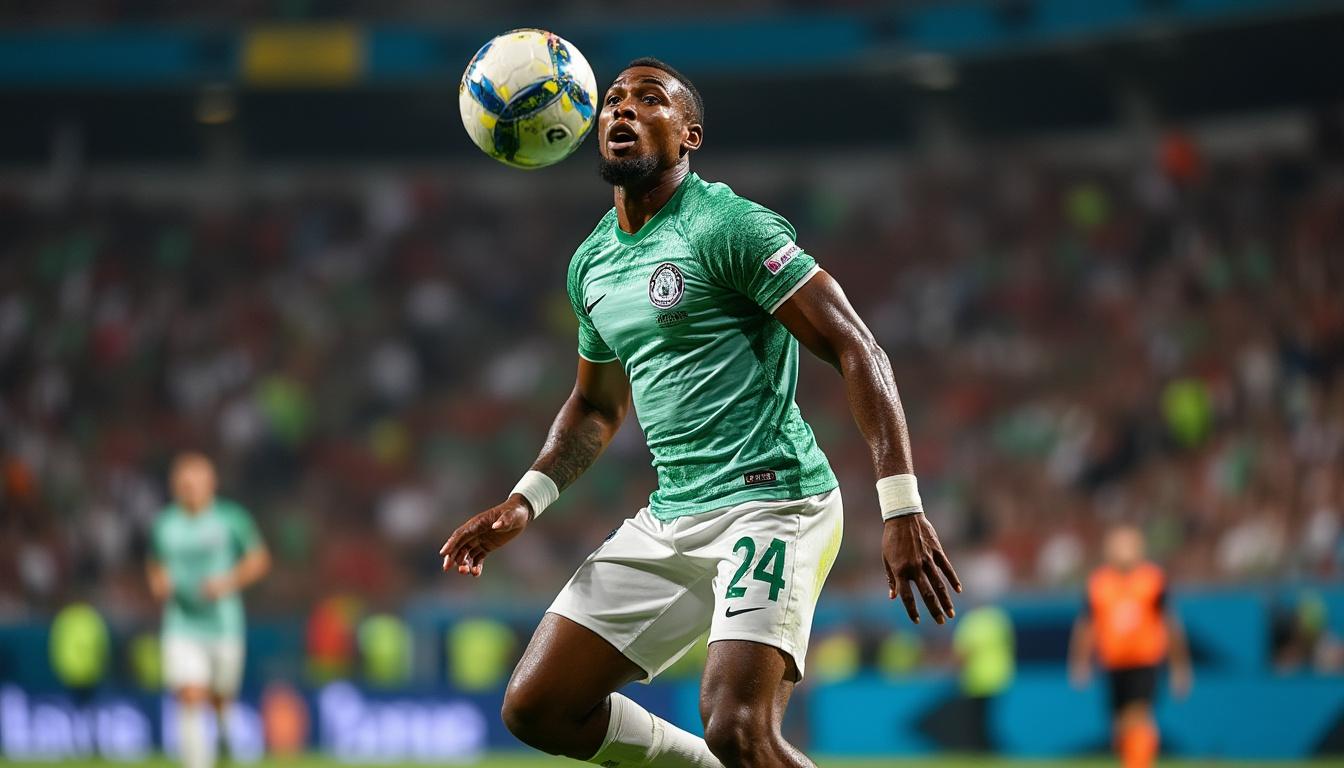
Egypt and Senegal: Experience and Star Power Shaping Their Group Stage Prospects
Egypt and Senegal, with rich AFCON histories, enter the tournament as powerhouse contenders, each anchoring groups with a mix of expert tactical designs and marquee talents. Egypt, the continent’s most decorated team with seven AFCON titles, approaches the competition with a squad featuring the prolific Mohamed Salah. Salah’s ability to influence games through his goal-scoring acumen and creativity has been central to Egypt’s steady qualification journey, which included four wins and two draws. Tactical versatility enables Egypt to navigate through opponents like South Africa, Angola, and Zimbabwe within Group B.
Senegal, the 2021 champions, demonstrated remarkable solidity throughout qualifiers, conceding just a single goal, reflecting their defensive discipline coupled with potent offensive threat. Led by Sadio Mané, who brings continental and international experience, alongside Nicolas Jackson from Bayern Munich, Senegal exhibits a dynastic balance of attack and defense. Positioned in Group D with the Democratic Republic of Congo, Benin, and Botswana, Senegal’s tactical play emphasizes quick transitions and controlled possession. Their fitness and depth have been critical factors, especially considering previous tournaments’ demands on key players.
The tactical challenges in these groups are substantial. Egypt faces a South African side known for defensive organization, requiring the Pharaohs to deploy creative midfield playmaking. Conversely, Senegal’s encounters with the DR Congo, a team with physical robustness, compel a fast-paced approach exploiting spaces on the counterattack.
For fans craving detailed evaluations on key contenders, resources such as key players profiles for AFCON 2025 provide in-depth analyses of squad rotations, injury reports, and tactical insights leading into matchday.
These tactically rich matchups will test whether Egypt’s midfield balance and Senegal’s swift attacking transitions can withstand pressure and secure top spots from their competitive pools.
Nigeria and Côte d’Ivoire: Balancing Attacking Talents with Consistency Concerns in Group C and F
Nigeria and Côte d’Ivoire, two traditional African football giants, arrive at AFCON 2025 with a focus on rekindling their historic dominance amid evolving squad dynamics. Nigeria’s squad, bolstered by Victor Osimhen’s scoring prowess and the agility of Ademola Lookman, combines youthful energy with experience. Despite a more uneven qualification path, including draws that tempered their momentum, Nigeria’s Group C draw against Uganda, Tunisia, and Tanzania offers opportunities to impose their attacking style but demands discipline and tactical awareness.
The defending champions, Côte d’Ivoire, present a squad characterized by defensive rigidity and creative offensive contributors like Franck Kessié and Ousmane Diomande. Côte d’Ivoire’s flawless World Cup qualifiers, including ten matches without conceding a goal, testify to their formidable organization. They face a notably challenging group, Group F, featuring competitive sides such as Cameroon and Gabon. Success in this cluster relies on tactical adaptability under pressure and exploiting moments of defensive frailty within their opponents.
Both nations confront the challenge of translating individual talent into cohesive team play throughout the grueling AFCON schedule. Their tactical approach must harmonize offensive impetus with defensive caution to navigate pivotal matches decisively. Followers should keep an eye on tactical updates and matchday lineups available at predicted lineups for AFCON 2025, offering a window into coaching strategies as the competition progresses.
Projected Strengths and Vulnerabilities
- Nigeria: Attacking depth and pace but requires improved defensive coordination to avoid conceding crucial goals.
- Côte d’Ivoire: Defensive solidity complemented by creative midfielders capable of unlocking defenses, yet vulnerable to rapid counters.
- Group opposition: Defenses like Tunisia’s and Cameroon’s will challenge both teams’ offensive creativity and execution.
Emerging Teams and Dark Horses Bring Exciting Uncertainty to AFCON 2025 Groups
The narrative of AFCON 2025 is also enriched by emerging national teams and underdogs poised to shake up expectations and inject intrigue into the group stages. Teams like Comoros have rapidly evolved, as demonstrated by their surprising qualification as group leaders ahead of more established teams. Their disciplined and organized style hinges on collective effort rather than individual superstar presence, making them a tricky opponent in Group A.
Equatorial Guinea, Burkina Faso, and other lesser-feted nations such as Sudan and Benin add further dimensions to the groups, often punching above their weight due to tactical cohesiveness and spirited performances. Burkina Faso’s defensive general Edmond Tapsoba and creative talents from smaller leagues illustrate a widening talent pool across Africa, underscoring football’s growth beyond traditional power centers.
These teams’ ability to turn tactical discipline into effective match-day performances can disrupt the traditional order, enhancing the unpredictability that has defined AFCON tournaments. The blend of established powers and emerging sides guarantees dynamic, tactical battles with plenty of suspense.
| Team | Group | Qualification Record | Key Players | Rating (Out of 10) |
|---|---|---|---|---|
| Morocco | A | 6 Wins, 0 Draws, 0 Losses | Achraf Hakimi, Brahim Diaz | 8 |
| Egypt | B | 4 Wins, 2 Draws, 0 Losses | Mohamed Salah, Trézéguet | 7 |
| Senegal | D | 5 Wins, 1 Draw, 0 Losses | Sadio Mané, Nicolas Jackson | 8 |
| Nigeria | C | 3 Wins, 2 Draws, 1 Loss | Victor Osimhen, Ademola Lookman | 7 |
| Côte d’Ivoire | F | 5 Wins, 1 Draw, 0 Losses | Franck Kessié, Ousmane Diomande | 7 |
| Comoros | A | 3 Wins, 3 Draws, 0 Losses | Zaydou Youssouf, Myziane Maolida | 5 |
| Burkina Faso | E | 3 Wins, 3 Draws, 0 Losses | Edmond Tapsoba, Dango Ouattara | 6 |
Betting markets reflect a nuanced canvas where traditional favorites such as Morocco, Egypt, and Senegal dominate the odds, yet astute observers keep a keen eye on these dark horses that could seize moments to alter group calculations dramatically. More on these insights and player goal trends can be found in the AFCON 2025 players goals analysis.
Fan Engagement and Tactical Innovations Set to Define AFCON 2025 Group Battles
As the tournament approaches, there is growing excitement in Africa and worldwide regarding fan interaction, tactical experimentation, and the emergence of new footballing philosophies. The data from recent matches signals coaches are increasingly leveraging flexible formations, blending aggressive pressing with structured defense to adapt to diverse opponent profiles.
Technology-enabled analysis tools are helping teams optimize player fitness, manage injuries, and refine in-game strategies that could be decisive in tightly contested group clashes. Such innovations ensure physical conditioning will match technical prowess, which can ultimately determine which nations dominate their groups and advance far in the Africa Cup of Nations.
Strategically, nations are also identified by their depth, the ability to rotate squads without losing performance levels, a factor critical given the tournament’s compressed schedule and intensity. This depth allows teams to maintain attacking momentum and defensive shape, preventing fatigue or tactical predictability from undermining results.
For ongoing updates, fan interaction, and expert tactical breakdowns, the AFCON 2025 platform provides real-time matchday alerts and top league analysis, keeping enthusiasts connected to the evolving tournament narrative.
When and where is AFCON 2025 held?
AFCON 2025 is scheduled to take place in Morocco from December 21, 2025, to January 18, 2026, using nine venues spread across the country.
How are teams selected for the AFCON 2025 finals?
Twenty-four teams qualified through a rigorous qualification phase comprising 12 groups, with the top two teams from each group advancing to the finals tournament.
Which nations are favorites to win AFCON 2025?
Morocco, Egypt, Algeria, and Senegal are widely regarded as the strongest contenders based on recent form, World Cup performances, and qualification campaigns.
How does the AFCON 2025 group stage operate?
The group stage features six groups with four teams each. The top two teams from each group, along with the four best third-placed teams, advance to the knockout rounds.
Does being the host nation provide a significant advantage at AFCON?
Historically, host nations have won the Africa Cup of Nations about one-third of the time, suggesting benefits from home support, familiar pitches, and reduced travel fatigue.


