
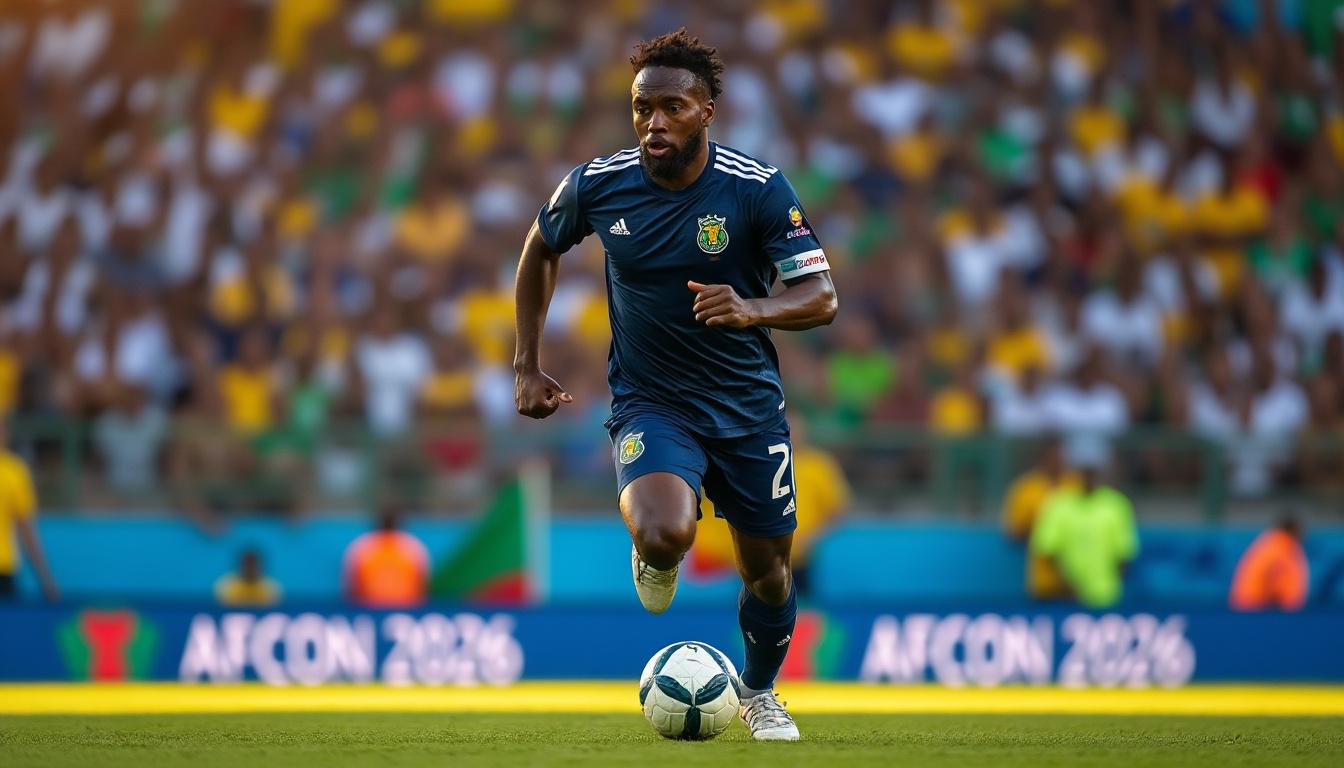
The Africa Cup of Nations (AFCON) 2026 is gearing up to be much more than just a showcase of football talent. As the continent’s premier soccer tournament approaches, it continues to embody a rich tapestry of cultural impact, economic benefits, and continental unity. The tournament’s significance transcends the pitch, weaving into the very fabric of African identity. From vibrant fan celebrations to the political and social narratives that underpin each match, AFCON exemplifies how sport can serve as a vehicle for broader change and development across Africa.
AFCON has always been a stage where history is made, not only through trophies but through moments that reflect Africa’s diversity and resilience. As countries prepare for the 2026 edition, the event promises an unparalleled fusion of football development initiatives and celebrations of Africa’s unique cultural heritage. This tournament’s legacy is sustained not simply by the teams that compete but by the way it galvanizes entire communities, cities, and nations. For many, AFCON represents a shared passion and a beacon of hope, proving that football in Africa is far more than a sport; it is a profound expression of unity, pride, and progress.
AFCON 2026: A Cultural Festival Beyond Football
While AFCON is primarily a football tournament, it stands as a grand cultural festival where tradition and sport intermingle to create an experience unlike any other. The tournament serves as a platform where millions across Africa engage in a collective celebration of heritage, music, and dance. The vibrant rhythms echo from stadium terraces, filled with drums and chants that resonate with centuries-old African traditions. Fans don kente cloth, agbada, and dashikis, showcasing their cultural pride and roots in an exuberant display of colors and styles. This cultural immersion is a defining element of AFCON, one that transforms stadiums into spaces embodying both competition and festivity.
In different host cities, AFCON becomes a catalyst for local expressions of identity. Take, for instance, the upcoming 2026 edition hosted by Morocco: the event will blend the nation’s rich history with pan-African spirit, bringing together diverse communities. The presence of distinct languages, cuisines, and customs from different African nations creates a vibrant mosaic, setting AFCON apart from other international tournaments. This cultural layering amplifies the emotional stakes for players and fans alike, reinforcing why AFCON 2026 is anticipated as a landmark event that showcases far more than soccer skills.
Celebrating Diversity Through Shared Passion
The African continent is extraordinarily diverse, home to thousands of languages, religions, and ethnicities. AFCON is a rare occasion when this diversity converges on a common field—not just for competition but for camaraderie. Fans from contrasting backgrounds come together, united in their love for the game. This unity through diversity is one of AFCON’s most cherished legacies, fostering respect and understanding among nations and peoples.
Beyond the cultural festivities, the tournament also influences contemporary African music and arts. Each AFCON edition produces anthems and songs that capture the spirit of the competition, becoming hits across the continent and further binding fans through shared audio experiences. For examples, the official AFCON 2023 anthem “Akwaba” united fans like never before, and new music released ahead of AFCON 2026 is already trending.
Economic Benefits and Sports Legacy of the Africa Cup of Nations
AFCON’s impact ripples far beyond football, delivering significant economic benefits to host nations and the continent collectively. The tournament stimulates growth through infrastructure development, tourism, and local business engagement, making it a major economic event in Africa’s calendar.
Host cities invest heavily in stadium upgrades, transportation networks, and accommodation facilities. These improvements enhance not only the tournament experience but also the long-term urban landscape. Morocco’s hosting in 2026 is expected to continue this trend, with reports highlighting extensive projects aimed at bolstering sports venues and city amenities.
Boosting Local Economies and Employment
During AFCON, hotels, restaurants, and local markets experience a significant uptick in business. Visitors, including international media and football fans, generate demand for goods and services, creating thousands of temporary jobs. This economic infusion supports small enterprises and encourages reinvestment in communities.
The exposure gained from hosting such an iconic tournament also positions host countries as attractive destinations for future events, contributing to sustainable tourism growth. Furthermore, national and regional football development projects commonly parallel the tournament, leveraging the spotlight to improve youth academies, coaching standards, and player pathways across Africa.
This sporting legacy is evident in the rise of African talents who have gone on to influence global soccer. Celebrities such as Didier Drogba and Samuel Eto’o embody the transformative power of AFCON to nurture and showcase African football excellence. As 2026 approaches, the tournament promises to continue its role not only as a competition but as a centerpiece for wider football development.
AFCON as a Pillar of Continental Unity and Identity
At its core, the Africa Cup of Nations strengthens continental unity by bringing disparate nations together in a shared passion. Each edition serves as a reminder that football is a language through which Africans express their collective identity, overcoming political and social divisions. The tournament’s unique ability to foster solidarity is central to its revered status across Africa.
The power of AFCON lies in its capacity to elevate a continental narrative of resilience and aspiration. During the competition, populations rally behind their national teams, regardless of internal differences. Historic rivalries and underdog stories contribute to a dynamic, emotional atmosphere that unites fans in celebration and heartbreak alike. This experience reaffirms the tournament’s symbolic importance as a unifier amid Africa’s complex political landscapes.
From Local Passion to Pan-African Symbolism
Players and teams carry the hopes of entire nations, while fans engage in displays of national pride that blur into continental messages of unity. The pageantry observed, such as coordinated fan chants and banners in stadiums, is a testament to the deep connection Africans share with the competition.
Moreover, AFCON’s significance transcends sports diplomacy. It has become an influential platform for discussing social issues, encouraging campaigns on health, education, and equality through football outreach programs. The broader impact of the tournament affirms that AFCON 2026 will serve as much more than a series of matches — it will be a celebration of Africa’s shared future.
Unpredictability and Passion: What Makes AFCON Unique in Global Football
AFCON is renowned for its thrilling unpredictability, a defining feature that distinguishes it from other football tournaments. Unlike global competitions where rankings and reputations tend to dictate outcomes, AFCON frequently upends expectations, with underdogs rising and giants humbled. This unpredictability is not just sporting drama but a reflection of the tournament’s heart, soul, and raw passion.
Every two years, the African stage offers surprises: teams that have struggled in global arenas find renewed strength, while favorites face intense competition fueled by fervent supporters. This creates an atmosphere steeped in emotion, where tactics are often augmented by unstoppable enthusiasm and national pride. Players in AFCON often perform above their usual levels, propelled by the electric environment and the weight of history.
Iconic Moments Born From Passion
From coaches dancing on the sidelines to goalkeepers praying mid-game, AFCON’s traditions are imbued with a unique spirit. Fans cook traditional foods outside stadiums, and chants that mix humor with heartfelt support echo throughout the stands. These endearing elements contribute to a tournament culture that is as much about community as competition.
This atmosphere enhances the global appeal of AFCON, captivating not only African audiences but football lovers worldwide. The tournament’s capacity to showcase talent in vibrant, high-stakes settings promises that AFCON 2026 will deliver unforgettable moments and continue to expand the legacy of African football.
Evolution of AFCON’s Format and the Road to 2026
The Africa Cup of Nations has evolved extensively since its inception in 1957, adapting its format and scheduling to meet the growing demands of African football and the global sports calendar. Initially featuring just a handful of nations, the tournament has expanded to include 24 teams as of recent editions, offering a broader showcase of the continent’s soccer prowess.
Currently structured with six groups of four teams each, the tournament advances through a system that includes the top two teams in each group plus the four best third-placed teams, moving into knockout stages that culminate in a final guaranteed to captivate millions. The format ensures a balance between competitive fairness and excitement, giving more nations the chance to showcase their skills on a continental stage.
Key Developments Leading to AFCON 2026
- Change in Scheduling: The tournament’s timing has shifted to avoid clashing with the FIFA World Cup and European club seasons. AFCON 2026 will, for the first time, take place over the Christmas and New Year’s period, creating a unique festive spectacle.
- Expansion to 24 Teams: This allows greater representation from emerging football nations and promotes inclusiveness.
- Quadrennial Cycle: From 2028, AFCON will move to a four-year cycle, increasing the prestige of each edition.
- Emphasis on Youth Development: The Confederation of African Football (CAF) has aligned tournaments for younger age groups to create clear pathways for talent progression.
| Year | Number of Teams | Tournament Format | Host Nation(s) | Champion |
|---|---|---|---|---|
| 1957 | 3 | Semi-finals & Final | Sudan | Egypt |
| 1996 | 15 | 4 Groups of 4 + Knockout | South Africa | South Africa |
| 2019 | 24 | 6 Groups of 4 + Knockout | Egypt | Algeria |
| 2023 | 24 | 6 Groups of 4 + Knockout | Ivory Coast | Ivory Coast |
| 2026 | 24 | 6 Groups of 4 + Knockout | Morocco | To be Determined |
This evolution not only reflects the growth of football in Africa but also the sport’s increasing importance as a catalyst for continental development. AFCON 2026 promises to be a landmark edition, harnessing decades of tradition while embracing modern advancements in sports management and fan engagement.
For more insights on why AFCON is more than just football—covering the tournament’s cultural influence, passionate fandom, and even its betting buzz—please click here.
What makes AFCON culturally unique compared to other football tournaments?
AFCON stands out because it blends football with vibrant cultural expressions such as music, dance, traditional clothing, and communal celebrations, making it a continental festival that unites diverse African identities.
How does AFCON contribute to economic development in host countries?
The tournament generates significant economic activity through infrastructure investments, tourism, and increased business for local vendors, creating jobs and promoting sustainable urban development.
Why is AFCON considered a symbol of continental unity?
AFCON physically brings together nations with diverse backgrounds to compete and celebrate under shared African pride, fostering solidarity and understanding amidst political and cultural differences.
What changes are expected in the AFCON format for the 2026 tournament?
AFCON 2026 will feature 24 teams split into six groups of four, with knockout rounds following the group stage. It will also take place during the festive December-January period, a first for the tournament.
How does AFCON help football development in Africa?
The tournament serves as a platform to showcase emerging talent, improve coaching standards, and encourage youth development programs, contributing to the long-term growth of African football.


