
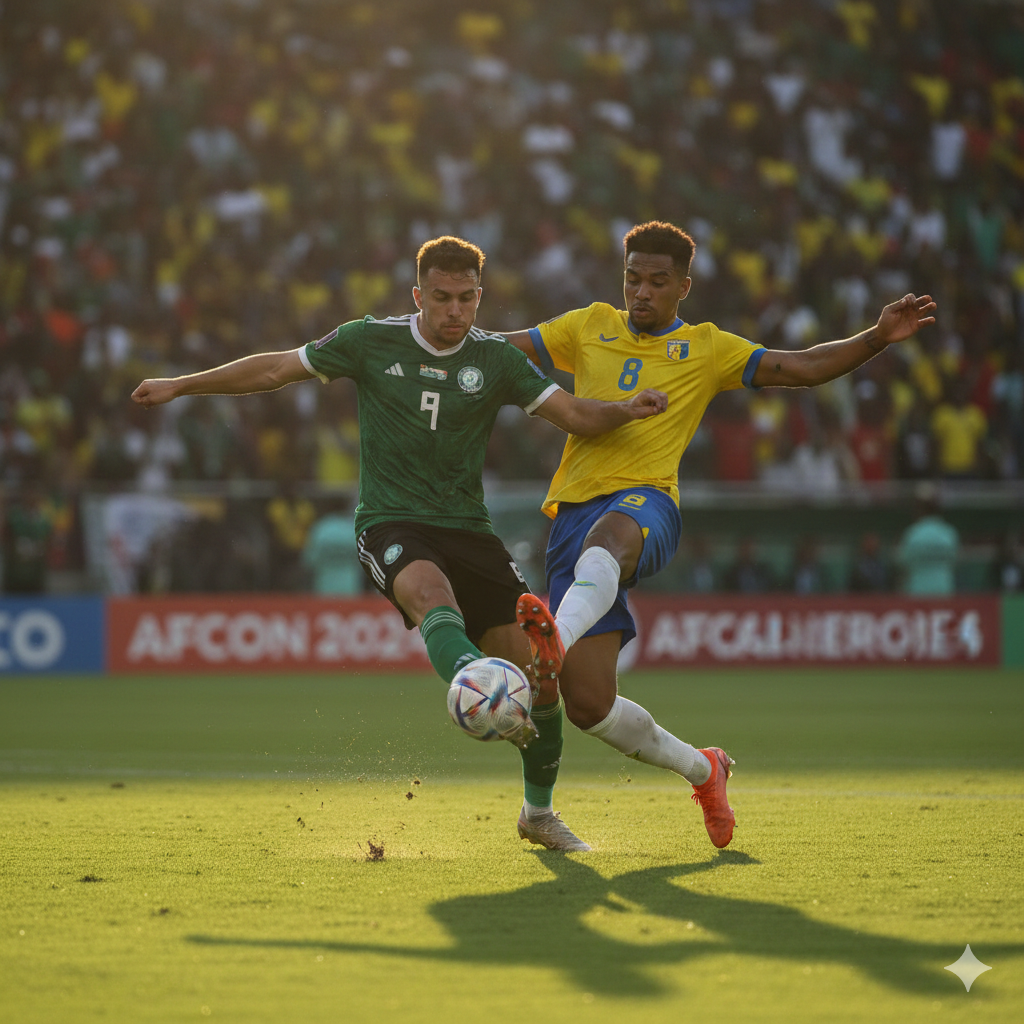
The anticipation surrounding Zimbabwe’s participation in AFCON 2026 has reached a fever pitch. For the Warriors, this marks their sixth appearance at Africa’s premier football tournament, a stage where dreams are made and national pride is fiercely contested. Despite their regular qualifications, Zimbabwe has historically struggled to move beyond the group phase, a hurdle that has long challenged the team’s aspirations on the continental stage. The 2026 tournament, held in Morocco, presents a unique crossroads; faced with a daunting Group B draw that pits them against giants such as Egypt, as well as competitive sides South Africa and Angola, Zimbabwe must find ways to navigate this difficult phase successfully.
Zimbabwe’s recent form offers both reasons for optimism and caution. Their qualification journey was marked by resilience, especially in the group stages where they finished just behind Cameroon, showcasing moments of attacking brilliance and defensive solidity. Yet inconsistency remains a concern, highlighted by a tough World Cup qualifying campaign that prompted coaching changes and introspection. Nevertheless, the current squad, buoyed by European club experience across key players and a renewed tactical approach, carries the potential to alter the narrative that has confined Zimbabwe to early exits in their past AFCON outings. Central to their hopes will be a calculated football strategy that emphasizes tactical discipline, defensive compactness, and leveraging their midfield creativity to produce match-winning moments against formidable opponents.
Key points to watch for Zimbabwe at AFCON 2026:
- Facing powerhouse Egypt, historic rivals South Africa, and dynamic Angola in a highly competitive group.
- Leveraging the experience of European-based stars like Marshal Munetsi and Marvelous Nakamba to stabilize midfield play.
- Implementing defensive solidity to counterbalance the attacking threats posed by opponents.
- Building on past qualification resilience while adapting strategies to the high stakes environment of AFCON.
- Utilizing strategic preparation including an international training camp in Spain to boost team cohesion and readiness.
Strategic Preparation and Overcoming AFCON 2026 Group Stage Challenges
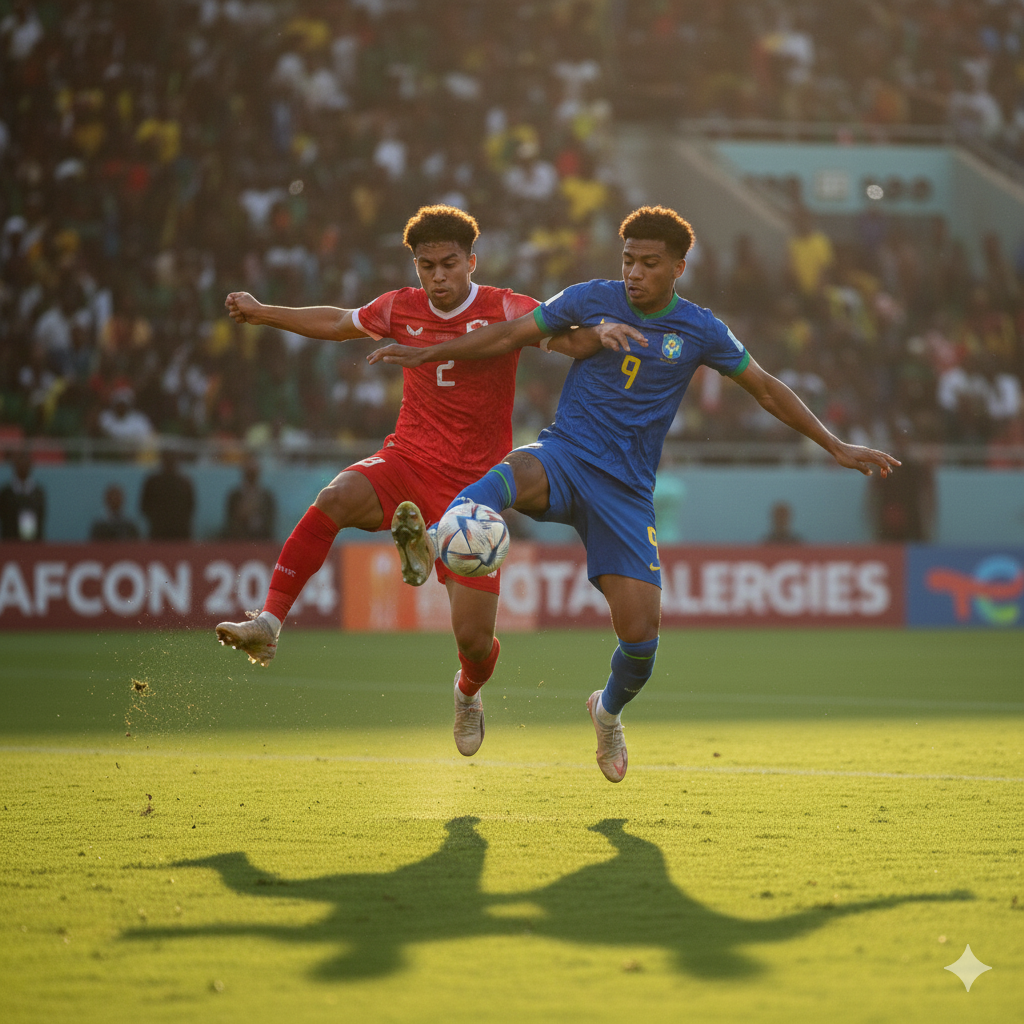
Preparation is undeniably the cornerstone of any national team aiming to survive and thrive through a tough group phase at the AFCON. Zimbabwe’s approach is marked by a strategic mix of high-level training, tactical refinement, and psychological readiness as they gear up for the tournament in Morocco. The Zimbabwe Football Association (Zifa) has arranged a training camp in Spain, aiming to expose the Warriors to international standards of play and conditioning prior to the competition. This initiative seeks to hone teamwork, fitness levels, and tactical cohesion, which will be essential when facing AFCON’s elite teams.
On the tactical side, Zimbabwe coach Marian Marinica emphasizes defensive compactness combined with swiftly transitioning to counter-attacks. Establishing a resilient defensive framework will be vital against Egypt’s seasoned offensive lineup and South Africa’s cohesive play. The philosophy centers on maintaining a disciplined backline led by captain Teenage Hadebe, whose leadership and experience will be crucial in marshaling the defense.
Additionally, the midfield unit with Marshal Munetsi and Marvelous Nakamba is tasked with controlling tempo and linking defense to attack. Munetsi’s tactical discipline and Nakamba’s positional awareness offer Zimbabwe a dual advantage: stability under pressure and creative outlets to initiate offensive opportunities. The midfield’s ability to disrupt opposition play and orchestrate quick counters could be game-changing, especially against the high-pressing Angola side.
Zimbabwe’s coaching staff is also focusing on mental resilience, recognizing the psychological weight of competing against favorites like Egypt. Preparing the team to remain composed and fight persistently even when facing setbacks is a critical component of their survival strategy. Cultivating confidence through tactical drills, scenario training, and team bonding activities during the Spain camp aligns the squad’s mindset towards overcoming adversity.
Moreover, the coaching team is devising set-piece routines and exploiting weaknesses detected through competitive analysis of opponents’ recent matches. Understanding Egypt’s tendencies to press high and South Africa’s preference for attacking through the wings allows Zimbabwe to tailor defensive and offensive strategies. For example, counter-attacking swiftly on the wings could be an effective tactic against sides that commit players forward aggressively.
In summary, the Warriors’ strategic preparation for AFCON 2026 revolves around building a solid defensive base, utilizing midfield creativity, boosting psychological fortitude, and employing informed match tactics—ingredients essential to surviving the group phase and potentially making history for Zimbabwean football.
Competitive Analysis of Zimbabwe’s Opponents in Group B: Tactical Implications and Survival Strategies
Zimbabwe’s group phase adversaries present an eclectic mix of tactical challenges requiring tailored game plans for each opponent. Egypt, with their record seven AFCON titles, are the significant favorites and embody a blend of technical skill, tactical intelligence, and physical prowess. Their offensive firepower, combined with a deep bench of experienced players, tests Zimbabwe’s defensive limits.
Historically, Zimbabwe has had challenging encounters with Egypt. Notably, in 2004, Zimbabwe led at one point before Egypt managed to edge a 2-1 victory. This history fuels a fierce competitive fire in the Warriors, who enter the match with a heightened sense of purpose and tactical caution. To withstand Egypt’s offensive waves, Zimbabwe will adopt a compact defensive shape, reducing space between lines and focusing on quick interceptions to disrupt Egypt’s rhythm.
South Africa represents another boisterous challenge. With a squad that has improved steadily over recent years and secured a bronze finish in the last AFCON, they play a mix of physicality and finesse. Zimbabwe must manage South Africa’s wing play carefully, as their attackers often exploit wide spaces to create scoring chances. Implementing tight, disciplined marking from Jordan Zemura and engaging midfielders in tracking back will be crucial for nullifying South Africa’s threats.
Angola rounds out the group as a high-tempo opponent known for aggressive pressing and physical duels. Zimbabwe’s survival strategy against Angola revolves around patience and ball retention. Forcing Angola to chase play and minimizing errors in transition could frustrate their rhythm and allow Zimbabwe to exploit spaces on counter-attacks using the pace of players like Walter Musona.
Detailed Table of Group B Opponent Strengths and Zimbabwe’s Tactical Responses
| Opponent | Strengths | Tactical Challenges | Zimbabwe’s Response |
|---|---|---|---|
| Egypt | Technical skill, experience, attacking firepower | Break down tight defenses, high pressing | Compact defense, counter-attacks, midfield disruption |
| South Africa | Wing play, physical strength, tactical discipline | Exploiting wide areas, physical duels | Man-marking on wings, midfield support, aerial duel focus |
| Angola | High tempo, aggressive pressing, physicality | Maintaining possession under pressure | Ball retention, patience, exploiting counter-attack opportunities |
This comprehensive competitive analysis informs Zimbabwe’s tactical adjustments for AFCON 2026. Adopting a flexible approach that changes according to the opponent will be one of the Warriors’ keys to advancing beyond the historically limiting group phase. Embracing these challenges provides useful lessons on resilience and team survival under pressure.
Key Player Profiles and Their Role in Zimbabwe’s AFCON 2026 Campaign
Zimbabwe’s campaign at AFCON 2026 hinges critically on the performance of several key players who provide both skill and leadership on the pitch. At the heart of the team’s midfield, Marshal Munetsi stands out for his European football experience and ability to inject power and discipline into the center of the pitch. His capacity to break up opposition play and initiate forward passes is vital for Zimbabwe’s football strategy, especially in tight matches where quick transitions are required.
Marvelous Nakamba complements this with an astute understanding of defensive positioning. His ability to track runners and shield the back four solidifies Zimbabwe’s spine and contributes to team survival tactics during high-pressure moments in the tournament.
In defense, Teenage Hadebe serves as a commanding presence, marshaling the backline with authority. His experience in international leagues brings stability and confidence, crucial components for a team facing seasoned attackers. Flanking him, Jordan Zemura combines energy and tactical awareness, providing width and supporting both defensive duties and offensive runs.
Attacking flair comes through Walter Musona, whose pace and creativity in the final third offer Zimbabwe potential breakthroughs. His ability to exploit defensive lapses and create scoring chances can shift the momentum of tight games, empowering Zimbabwe to challenge opponents beyond the expected.
Despite these strengths, Zimbabwe’s squad has faced setbacks such as the withdrawal of midfielder Andy Rinomhota due to personal reasons, impacting depth in the lineup and tactical options. Still, the core group remains buoyant, motivated by a strong sense of national pride and the desire to finally break the group stage ceiling.
Successful player performance monitoring and management will be critical, as maintaining fitness and morale across the tournament’s intense schedule can determine the Warriors’ chances of progressing.
Match Tactics and In-Game Adjustments for Zimbabwe’s Success in the 2026 AFCON Group Phase
One of the decisive factors in surviving AFCON’s challenging group phase will be Zimbabwe’s capacity to adapt match tactics and make effective in-game adjustments. The coaching staff anticipates varying match scenarios requiring flexible strategies ranging from defensive resilience to opportunistic attacking play.
Zimbabwe’s initial game plan typically involves organized defensive blocks, minimizing space between midfield and defense. This tactic aims to frustrate opposing attackers by limiting passing lanes and encouraging errors. This defensive compactness sets the platform for swift counter-attacks, where paced players like Walter Musona can exploit transitional moments.
Against more aggressive teams such as Angola, Zimbabwe may adopt a patient possession style to exhaust opponents’ pressing intensity before striking with quick interchanges. Conversely, facing Egypt might necessitate a more cautious approach, absorbing pressure while waiting for set-piece opportunities or breaks in play to launch counters.
Mid-match substitutions and role changes also play an essential role. For example, bringing on fresh legs in midfield can help sustain energy levels and tactical discipline during closing phases of games. Adjustments to defensive marking schemes based on opponents’ pitching rotation or changing forward runs allow the Warriors to maintain a strategic edge.
To illustrate, during a tightly contested AFCON group match, Zimbabwe might switch from a 4-2-3-1 formation to a 5-3-2 to bolster defensive numbers if holding a narrow lead. Alternatively, pushing midfielders forward in search of a goal can occur if trailing. This tactical flexibility is fundamental in dealing with the varied challenges posed by Egypt, South Africa, and Angola.
Furthermore, set-piece routines, both offensive and defensive, receive special focus, as they can be decisive in tightly packed group games. Effective utilization of these moments requires perfect coordination and precise execution, areas the Zimbabwe technical team has invested heavily in during their preparation camp abroad.
The ability to read the game and respond promptly remains crucial, especially in a group where every point counts and goal difference could determine progression. Zimbabwe’s tactical pragmatism combined with bold in-game decisions will shape their battle to push beyond AFCON’s traditionally unforgiving group stage.
To explore more about football strategy specific to Zimbabwe’s situation and how the Warriors can survive the tough AFCON 2026 group stage in Zimbabwe, this article provides detailed insights on practical approaches for team survival and success under pressure.
Psychological Resilience and Team Cohesion as Pillars of Zimbabwe’s AFCON 2026 Journey
Beyond tactics and player quality, the intangible aspects of psychological resilience and team cohesion will substantially influence Zimbabwe’s fortunes in AFCON 2026. The pressure of representing a nation with passionate support and a desperate craving for a historic breakthrough can both inspire and overwhelm.
Zimbabwe’s senior players have repeatedly voiced their ambition to end the pattern of group-stage exits, emphasizing unity and collective responsibility. This psychological synchronization is fostered through consistent communication, leadership on and off the pitch, and a shared vision cultivated by the coaching staff.
Building mental fortitude starts from rigorous preparation but extends into managing stress, handling setbacks, and bouncing back from near misses. Players are encouraged to embrace adversity as a growth opportunity, learning from mistakes in real-time rather than succumbing to pressure.
Key to this process are leadership figures who model calm under pressure and rally teammates during difficult moments. The captain’s role, especially for someone like Teenage Hadebe, transcends tactical guidance and encompasses emotional support and motivation.
Furthermore, the team’s preparation camp in Spain provides a controlled environment to nurture bonds through off-field activities and team-building exercises, creating a resilient group ready to face the physical and mental demands of a grueling tournament.
Historical examples from AFCON highlight that teams with strong internal harmony often outperform expectations, using collective belief as a force multiplier. Zimbabwe’s Warriors are thus investing heavily in psychological training alongside the tactical, recognizing that survival in the group phase is as much about mindset as it is about skill.
Ultimately, this blend of mental resilience and tactical execution may be Zimbabwe’s defining attribute to survive a difficult group phase at AFCON 2026 and lay the groundwork for future success on Africa’s grandest football stage.
What are Zimbabwe’s biggest challenges in the AFCON 2026 group phase?
Zimbabwe faces strong opponents in Group B including Egypt, South Africa, and Angola, requiring tactical discipline and psychological resilience to advance.
Which players are key to Zimbabwe’s group phase survival?
Midfielders Marshal Munetsi and Marvelous Nakamba, defender Teenage Hadebe, and forward Walter Musona are crucial to Zimbabwe’s campaign.
How does Zimbabwe plan to prepare for tough matches?
They have a rigorous training camp in Spain focusing on tactical, physical, and psychological readiness to face AFCON’s challenges.
What tactical approach will Zimbabwe use against Egypt?
Zimbabwe aims for a compact defense with quick counter-attacks, disrupting Egypt’s offensive rhythm through midfield pressure.
How important is team cohesion for Zimbabwe in AFCON 2026?
Psychological resilience and unity are vital as they help the team handle pressure and perform collectively under challenging situations.


