In African football, stories of heartbreak and contentious decisions have a way of lingering long after the final whistle. Supporters pour their hearts into every minute, every challenge, every hope of progression, and when dreams crash on the pitch, the wounds run deep. For Burkina Faso’s women’s team and their passionate followers, the 2026 CAN Féminine ended not just in disappointment, but in bitter debate over refereeing that many feel changed the course of their journey.
Frustration Boils Over After Narrow Elimination

When the Etalons Dames stepped onto the Stade Moulay Rachid pitch in Casablanca for their last group game against South Africa, the stakes could not have been higher. Just a single point would have been enough for Burkina Faso to make history and reach the quarter-finals for the first time. The tension was palpable, and so too was the sense of belief that this squad, already having bounced back from a heavy 4-1 defeat to Côte d’Ivoire and then toppling Tanzania 2-1, could do the unthinkable.
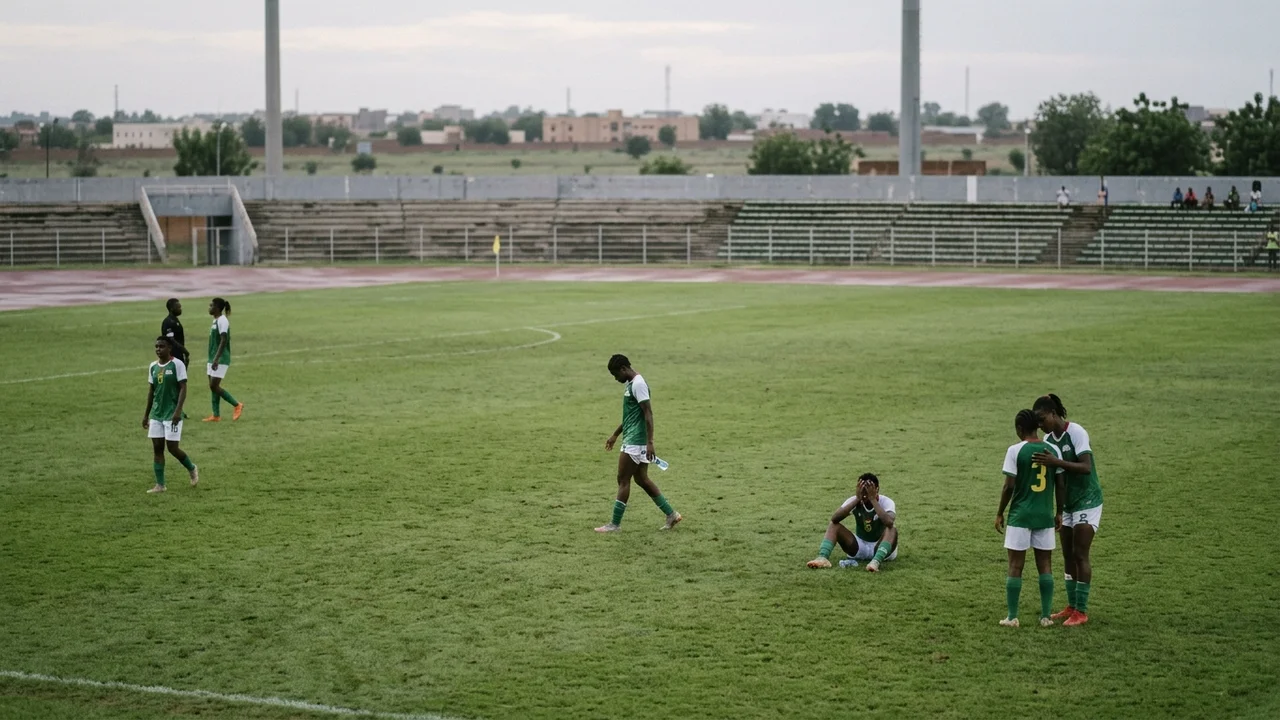
But as the final whistle blew and South Africa claimed a 1-0 victory, every hope was dashed. The result left players and supporters alike grappling with an overwhelming sense of injustice. Captain Balkissa Sawadogo spoke candidly to BF1 TV, sharing the team’s pain over a crucial penalty that was refused after a VAR review. “Unfortunately the luck was not on our side. We saw a penalty refused. It’s the referee who is the only master on the field, we accept the decision. Things didn’t work collectively either. If we had given more, maybe we would have had a better result.” Her words struck a chord with fans who had witnessed the moment, many of whom felt the call had robbed their side of a fair shot at history.
Yet the frustration did not end there. Mouniratou Compaoré, brought on for the last five minutes, was even more forthright in her criticism. She argued that not only had Burkina Faso been denied a penalty, but that South Africa’s winning goal was tainted by offside. “We are not happy but we cannot say anything. We all watched the match. The refereeing was not on our side, but we respect the decision.” For many fans, this echoed their own raw emotions: respect for the game, but a burning sense that the odds had been stacked against them.
Such moments ignite fierce debate among supporters. Was it simply bad luck, or was there a deeper problem with officiating standards? When a nation’s hopes rest on a razor’s edge, every call is scrutinised, every perceived slight magnified by the weight of longing and pride. The collective sense of injustice can forge a new sense of identity, uniting fans in shared grievance and resolve. And for Burkina Faso, whose women’s team has often played the underdog, this exit felt like more than just a defeat.
The disappointment is magnified by what was at stake. With this elimination, Burkina Faso will not be present at next year’s age-group World Cup in Brazil, denying players and fans the chance to showcase their progress on a global stage. For a squad that had shown real resilience after their opening loss, the sense of an opportunity missed, and perhaps unfairly so, is especially bitter. In the world of football, few things sting quite like believing you were denied your moment by forces beyond your control.
The Supporters’ Verdict: Injustice or Hard Truth?
Across social media and in cafes where matches are dissected long into the night, the debate rages. Some point to the team’s own shortcomings, echoing Sawadogo’s admission that things did not click collectively. Others focus fiercely on the decisions that went against them, replaying the penalty incident and the offside claims again and again. For a country that has tasted rare highs in women’s football, the sense of loss is compounded by the belief that fortune, and the officials, were not on their side.
What remains now is a determination not to let this setback define the squad or its supporters. Instead, the pain and controversy are already being woven into the fabric of Burkina Faso’s footballing identity, fueling a resolve to come back stronger. There is also hope that, as African women’s football continues to grow, conversations around fairness and accountability in officiating will lead to better outcomes for all teams involved.
As the dust settles and the tears dry, fans everywhere are left with the moments that could have been, the pride in a team that refused to give up, and the burning desire for justice and recognition on the continental stage. In a football world where outcomes are sometimes shaped as much by the officials as by the players, the debate over refereeing controversies and tournament stakes will not fade quietly into the background.
For the Etalons Dames and their supporters, the memory of Casablanca 2026 is not just about defeat, but a rallying cry for respect and a fair shot at glory next time.