
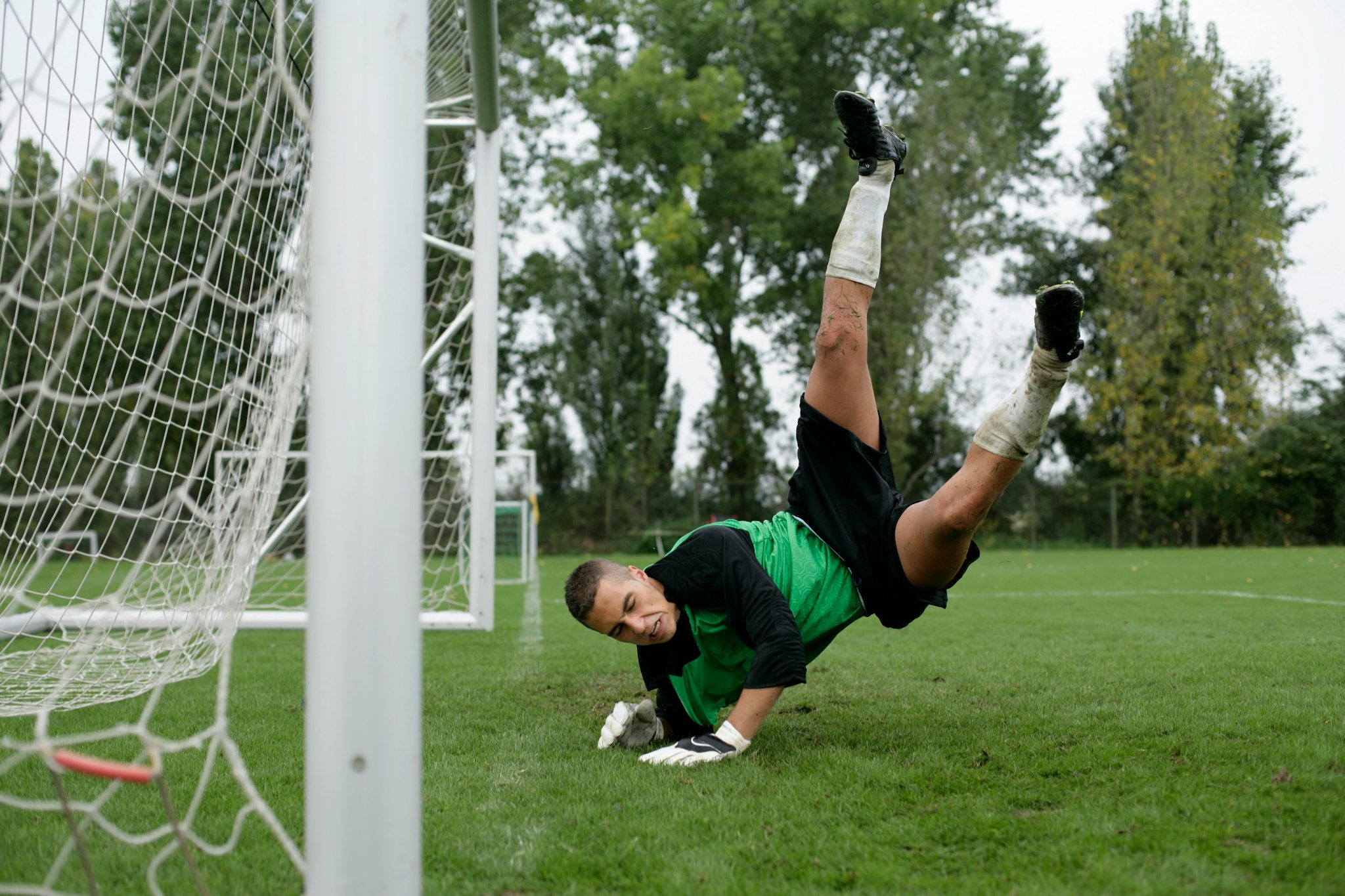
In the exhilarating world of football, the thrill of a goal scored within seconds of the match beginning captivates fans and players alike. Today, as the sport embraces technological advances and instant data analytics, keeping track of the fastest goals scored across leagues worldwide has become an instant obsession. From amateur leagues in Scotland to professional leagues in Europe, these lightning-fast goals highlight the extraordinary reflexes, preparation, and sometimes sheer audacity of players. Brands like Nike, Adidas, and Puma enhance the game with their cutting-edge gear, helping athletes push limits from kickoff.
Every second counts in the beautiful game, and a rapid goal can dramatically shift the momentum, demoralizing opponents and thrilling fans. The instantaneous broadcasting of these feats on platforms including live score apps and real-time stats trackers has revolutionized how we engage with football. For example, the popular site Live Score Football provides up-to-the-minute updates, real-time red card impacts, and possession importance analytics, helping fans immerse themselves deeper than ever before.
In 2025, the competitive edge in football is no longer just about skill but also about speed—speed in the players’ mindset, execution, and strategic play right from the whistle. This ongoing leaderboard isn’t just a record of who nailed the quickest goal but a testament to the evolving culture of urgency and precision in modern football, enhanced by training programs, equipment from Under Armour to Reebok, and a global network of fans closely monitoring every kickoff.

Record-Breaking Fastest Goals That Shaped Football History
Some of football’s most astonishing moments come from goals scored within mere seconds of game start. The world record for the fastest goal belongs to Gavin Stokes, who blitzed to the net in an astounding 2.4 seconds during a West of Scotland League match. This incredible mark has inspired amateurs and professionals alike to rehearse lightning strikes right from kickoff, showcasing that moment-to-moment reaction under pressure can define matches.
Here’s a brief look at several iconic rapid goal scorers and their astonishing times:
- Vuk Bakic stunned defenders by scoring in 2.2 seconds, initiating a goal from the halfway line with pinpoint precision.
- Ryan Hall combined quick decision-making and pristine execution to score in 2.31 seconds during his match with Cockfosters.
- Dominik Nagy harnessed sheer power and accuracy to net a goal in 2.4 seconds from the center circle.
- Jack Lyons showcased amateur football’s speed potential by scoring within 2.5 seconds.
What makes these goals so fascinating is the combination of foresight, agility, and the ability to exploit gaps immediately after kickoff. Moreover, brands like New Balance and Umbro continually innovate boots and kits designed to optimize acceleration and ball control, directly aiding players attempting such feats. In the modern game, a split-second advantage can leverage an entire match’s outcome.
| Player | Goal Time (seconds) | Match | League |
|---|---|---|---|
| Gavin Stokes | 2.4 | Maryhill vs Clydebank | West of Scotland League |
| Vuk Bakic | 2.2 | GSP Polet vs FK Dorcol | Serbian League |
| Ryan Hall | 2.31 | Croydon FC vs Cockfosters | Southern Counties East Football League |
| Dominik Nagy | 2.4 | Nyíregyháza Spartacus vs Mosonmagyaróvár | Hungarian Cup |
| Jack Lyons | 2.5 | Rusthall vs Chatham Town | Amateur League |
Modern tactical approaches now often incorporate pressing aggressively from kickoff, banking on moments where the opposing defense is most vulnerable. Professional leagues have seen a rise in such rapid attempts, often materially affecting both morale and scoreboard dynamics early on. The growing awareness of these strategies has been amplified through live analysis and community conversations on platforms dedicated to live scoring and scoring trends.

How Technology and Training Influence Today’s Quickest Goals
Football technology and training methods have revolutionized how players execute rapid goals. In 2025, comprehensive training regimens propelled by biomechanical analysis combined with technologically advanced equipment from renowned sports brands underpin these feats.
Players rely heavily on data-driven insights. Tools for measuring player acceleration, reaction time, and stamina have been integrated into training sessions, especially by elite clubs outfitted with top-tier gear from Skechers, Asics, and Hummel. These tools allow coaches to identify split-second decision-making capabilities and condition their athletes for aggressive opening plays.
Key elements influencing fastest goals include:
- Precision in initial passes: Accurate long balls immediately after kickoff are crucial. Goalkeepers and defenders trained with innovations from Puma and Reebok improve distribution accuracy under pressure.
- Explosive acceleration: Players utilize footwear optimized for grip and comfort, particularly Nike’s latest cleat models, enabling rapid sprints to capitalize on turnovers.
- Tactical rehearsals: Coaches simulate various opening scenarios, involving hard pressing and direct attacking, creating opportunities to score instantly.
- Mental conditioning: Mental resilience and focus are enhanced via immersive experiences such as virtual reality training and biofeedback tools.
In fact, many tactical pioneers use data streams from live match trackers to adapt their kickoff strategies in real-time. This evolving approach highlights the importance of situational awareness right from the opening seconds—a factor critical in today’s highly competitive leagues.
| Training Aspect | Technology/Brand | Impact on Fast Goals |
|---|---|---|
| Acceleration & Agility | Nike, Puma, Skechers | Improved sprint speed & explosive starts |
| Precision Passing | Reebok, Adidas | More accurate early ball distribution |
| Tactical Simulations | Under Armour, Hummel | Enhanced decision-making under pressure |
| Mental Preparation | New Balance, Asics | Higher focus & stress management |
Adopting these advances allows players to maximize every chance within the first moments of play. The integration of these factors can be tracked in real-time through platforms offering in-game betting statistics and instant scoring updates, where immediate goals severely sway odds and fan expectations alike.
With every major league intensifying the competition, the race to claim the top spot on the fastest goal scorer leaderboard remains fierce. The blend of human skill and technological advantage ensures this trend will only continue to accelerate.
Global Impact: Fastest Goals Across International and Domestic Competitions
Fast goals have left profound marks on both international tournaments and various domestic leagues worldwide. Each continent’s football culture brings unique styles impacting how these goals are scored. From FIFA World Cup qualifiers and European Championship games to lesser-known but fiercely competitive leagues in South America and Asia, the rapid goal is a universal game-changer.
Some important global examples include:
- Fred’s goal scored just 3 seconds into an América Mineiro match, epitomizes Brazilian flair combined with rapid execution.
- Megan Searson’s record in women’s college soccer illustrates how fast goals transcend professional boundaries and inspire all levels.
- Cheung Sai Ho represents Asia’s swift gameplay with a 2.8-second strike, highlighting diverse football excellence.
These moments ripple through fan communities and serve as catalysts for tactical innovations worldwide. The widespread interest in tracking such moments has led to enhanced global live scoring trackers, such as the Nations League tracker and detailed real-time analytics for tournaments like the Africa Cup of Nations 2025. Together, they bring unprecedented accessibility to the pulse of modern football dynamics.
| Player | Time (seconds) | Competition | Significance |
|---|---|---|---|
| Fred | 3 | Brazilian Serie A | One of the quickest goals in South America |
| Megan Searson | Under 3 | U.S. College Soccer | Fastest in women’s college soccer history |
| Cheung Sai Ho | 2.8 | Hong Kong Premier League | Top Asian fast goal scorer |
Tournaments in 2025 have seen record moments captured live, with global audiences tracking kickoff goals as decisive match events. This broadens understanding of fast goals not as anomalies, but as integral strategies shaping matches and careers.
How Sportswear Innovation Accelerates Record-Breaking Goals
Behind every record-breaking goal are the sophisticated tools helping athletes perform at their peak. In football, sportswear innovation by eminent companies creates equipment that enhances player performance and safety, directly impacting speed and precision on the pitch.
Key factors these brands contribute include:
- Footwear technology: Adidas and Under Armour develop cleats that increase traction for sharper turns and quicker starts.
- Lightweight apparel: Puma and Skechers produce jerseys and shorts optimized for breathability and minimal resistance.
- Smart fabrics: New Balance and Asics integrate moisture-wicking and temperature-regulating materials to maintain athlete comfort even during high pressure kicks.
- Protective gear: Reebok and Umbro design shin guards and other safety equipment that balance protection with mobility.
The culmination of these innovations is subtle but profound: players feel lighter, faster, and more confident. For instance, the cleats worn by leading fast goal scorers are typically equipped with enhanced sole plates and grip patterns specialized for faster pivoting and acceleration. This contributes directly to their ability to seize scoring chances immediately after kickoff.
| Brand | Innovation | Impact on Player Performance |
|---|---|---|
| Adidas | Advanced cleat traction technology | Sharper cuts and accelerated sprints |
| Puma | Breathable, ultra-light jerseys | Less fatigue and faster movements |
| New Balance | Temperature-regulating fabrics | Improved endurance during fast plays |
| Reebok | Ergonomic protective gear | Mobility with safety assurance |
The synergy between technology and athleticism is a growing narrative, making equipment choices just as strategic as training drills. Players and coaches alike often cite the psychological boost from wearing trusted brands like Nike and Umbro, which have long-standing histories in elite football circles. This psychological edge can be critical for those chasing record-fast goals in competitive matches.
Fans and the Digital Era: Tracking, Sharing, and Reacting to Lightning-Fast Goals
In 2025, the digital transformation of football fandom is more vivid than ever. The availability of real-time scores, instant notifications, and live social media engagement has created a dynamic ecosystem surrounding football’s fastest goals. Fans worldwide not only witness but actively participate in celebrations, debates, and even tactical analyses through various channels.
Major live score websites and apps integrate invaluable features:
- Instant alerts for kickoff goals and live-match events
- Comprehensive stats including possession and player substitutions
- Social media embeds sharing reactions and highlights from platforms such as Twitter and Instagram
- Advanced match turnaround analytics capturing shifts initiated by early goals
- Live betting guides correlated to fast goals for engaged audiences
Sites like Live Score Football have become indispensable for fans eager to stay on top of the latest game-changing moments. Social platforms amplify this excitement; for example, posts from football stars celebrating their fastest goals often trend within minutes, spreading joy across fan communities effortlessly.
| Fan Feature | Platform | Fan Engagement Benefits |
|---|---|---|
| Instant Goal Alerts | Mobile Apps | Real-time excitement and engagement |
| Social Media Highlights Sharing | Twitter, Instagram | Community connections and virality |
| Live Statistical Insights | Websites like Live Score Football | Informed fan understanding of match context |
| Interactive Betting Guides | Online Platforms | Heightened spectator participation |
The immediacy fosters a new culture of fandom, where the reaction to a goal scored in under five seconds can ripple globally within moments. This collective experience enhances football’s emotional thrill, drawing fans closer to the pulse of the game than ever before.


