
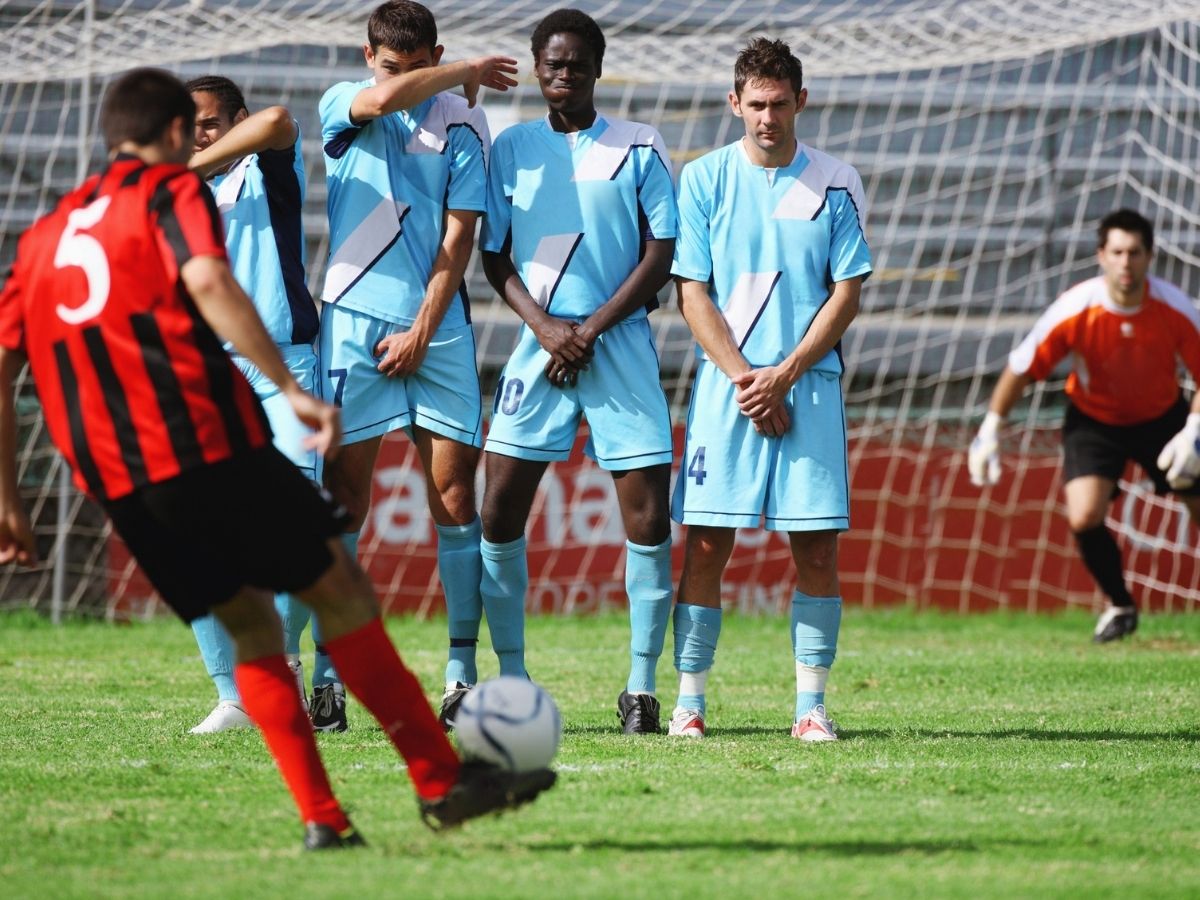
The Premier League in England is renowned not only for its high intensity and skillful football but also for the remarkable physical demands it places on its players. One of the most telling statistics that reflect a footballer’s performance and stamina is the distance they cover during a match. In 2025, tracking these distances has become pivotal for coaches, fans, and analysts alike to gauge player fitness, tactical adherence, and contribution to the team’s dynamics. Players from different positions show varied running distances, but it’s often the midfielders who rack up the most kilometers per match, demonstrating their role as the heartbeat of the game. Understanding who runs the most kilometers per match in the Premier League offers a fascinating insight into the athleticism involved in modern football. This overview explores the top performers, positional influences, and the evolving demands of the game, highlighting key players known for their relentless work rate and endurance.

Top Premier League Players Covering the Most Distance Per Match
The running distances of Premier League players are measured with increasing precision thanks to advanced tracking technology provided by companies like Nike and Adidas, integrated into player boots and stadium systems. The data in 2025 show that midfielders dominate the leaderboard for kilometers covered, a trend consistent with the physically demanding requirements of their multifaceted roles.
Among the standout performers is Abdoulaye Doucoure from West Ham United, who astonishingly covered 13.27 kilometers in a single match against Everton. This showcases not only his exceptional stamina but also his tactical involvement across the field. Close behind is Tomas Soucek, also of West Ham, who ran 13.14 kilometers in a match against Nottingham Forest, illustrating the premium West Ham places on midfield endurance. Tottenham Hotspur’s Dejan Kulusevski is no stranger to high mileages, having clocked 13.00 kilometers against Bournemouth, and consistently covering remarkable distances throughout the season.
Here is a snapshot of some of the top distances covered in single Premier League matches during the current season:
| Player | Match | Distance Run (km) |
|---|---|---|
| Abdoulaye Doucoure | West Ham vs Everton | 13.27 |
| Tomas Soucek | West Ham vs Nottingham Forest | 13.14 |
| Dejan Kulusevski | Bournemouth vs Spurs | 13.00 |
| Curtis Jones | Wolves vs Liverpool | 12.96 |
| James Ward-Prowse | West Ham vs Nottingham Forest | 12.95 |
The stamina demonstrated by these players often becomes a valuable asset for their teams, helping sustain pressure during both offensive and defensive phases. Players equipped with boots from Puma, Under Armour, or New Balance are tracked meticulously for insights into their effort distribution, allowing coaching staff to tailor training programs effectively.
To understand why these players run so far, it’s essential to recognize the modern gameplay’s emphasis on high pressing and rapid transitions. Midfielders like those mentioned are required to shuttle constantly between defensive duties and attacking support, often covering more ground than any other player on the pitch. This relentless physical effort can be traced back to tactical systems that demand high work-rates, a trend fueled by analytics tools that empower teams to optimize player positioning and movement in real-time.

The Role of Position in Running Distances in the Premier League
Different positions in football require varying physical outputs, and the kilometers covered during a match reflect these roles sharply. Central midfielders consistently top running charts in the Premier League, but emerging trends for fullbacks and wingers have shifted the dynamics in recent years, fueled by tactical evolutions and the physical conditioning advances attributed to sporting brands like Castore and Umbro.
Midfielders’ Stamina: The Engine Room of the Team
Midfield players cover significant distances because they must support both defense and attack. Their roles demand versatility—breaking up opposition play, linking up passes, and advancing offensive moves—all of which require continuous movement. For example, Manchester City’s Bernardo Silva regularly covers distances near 12.85 km, often appearing in the top tier for distance covered in matches. Similarly, Chelsea’s Declan Rice, recognized for his fierce tackling and dynamism, routinely surpasses the 12 km mark in high-stakes games. Their relentless running allows them to govern the game tempo and press opponents effectively.
Wingers and Fullbacks: An Increasing Distance Trend
Positionally, wingers have become more involved in both attack and tracking back defensively, significantly increasing their running distances. Bukayo Saka famously covered nearly 69.90 km over the course of UEFA Euro 2024 matches, placing him among the highest runners for an attacking player. Fullbacks, especially from teams that rely heavily on wing play, now clock impressive distances. Kyle Walker, a right-back, managed 74.80 km during UEFA Euro 2024, reflecting the modern fullback’s dual responsibility to overlap in attack and recover in defense.
This increasing physical demand is often supported by the advanced design of kits and equipment from Asics and Hummel, which promote optimal athletic performance and injury prevention. Additionally, GPS and heart rate monitors provided by leading sports tech firms are integrated within kits to track exertion and adjust training loads appropriately.
| Position | Average Distance Covered Per Match (km) |
|---|---|
| Central Midfielders | 10.6 |
| Wingers | 11.0 (including high intensity and sprints) |
| Fullbacks | 10.5 |
| Centre Backs | 9.2 |
| Goalkeepers | 2.0 – 3.0 |
Running efforts also depend on team tactics and individual conditioning. Defensive players like centre-backs run less but engage in short intense bursts and aerial duels. Goalkeepers, despite participating less in open running, still contribute dynamically with sudden sprints and dives within their area. The use of innovative football boots from Mitre and Umbro specifically designed for their position and playing style bolsters their on-field performance by maximizing grip and comfort.
Analyzing Match-by-Match Running Distances: Key Players and Highlights
Examining the 2023/24 and 2024/25 Premier League seasons, detailed tracking analysis reveals fascinating trends among players who exhibit endurance, tactical discipline, and adaptability. Player movement data available through real-time football analysis platforms help fans and analysts appreciate the sheer distance and intensity expended during matches.
Several players emerge consistently in weekly top distance metrics, impressing coaches with their ability to sustain high-intensity runs. Among them:
- James Ward-Prowse (West Ham United) – A midfield maestro known for his endurance, he often hits double-digit kilometers per game, helping sustain West Ham’s pressing intensity.
- Curtis Jones (Liverpool) – Demonstrates impressive stamina as a young midfielder, frequently clocking near 13 km per match, vital for his box-to-box role.
- Sean Longstaff (Newcastle United) – Covers extensive ground to connect defense and attack, reflecting Newcastle’s dynamic playing style.
Tracking distance per match also underpins strategic decisions. Coaches orchestrate tactical adjustments mid-game based on advanced in-game data, allowing substitutions or positional shifts to maintain energy distribution and exploit opposition weaknesses.
Likewise, players equipped with latest football boot technology from Nike, Adidas, and Puma, often find marginal gains in comfort and traction that support longer sustained running phases during matches. The emphasis on combining footwear technology with physical conditioning cannot be overstated in competitive environments.
| Player | Team | Top Distance Covered in Single Match (km) | Position |
|---|---|---|---|
| Abdoulaye Doucoure | West Ham United | 13.27 | Central Midfielder |
| Tomas Soucek | West Ham United | 13.14 | Central Midfielder |
| Dejan Kulusevski | Tottenham Hotspur | 13.00 | Winger/Midfielder |
| Curtis Jones | Liverpool FC | 12.96 | Midfielder |
Continuous improvements in live data retrieval contribute to the evolving understanding of how player workload should be managed. Integrating analytics with live sports data from platforms such as live sports advanced metrics enables a more granular understanding of optimal pacing and exertion peaks.
Impact of Football Gear and Brand Technology on Running Performance
The role of cutting-edge sportswear brands like Nike, Adidas, Puma, Under Armour, and New Balance extends beyond aesthetics. Their impact on players’ performance, particularly in terms of running efficiency and injury prevention, is significant. Advances in football boots enhance energy return, grip, and comfort, ultimately influencing how far and how fast players can run during Premier League matches.
For example, lightweight boots with responsive cushioning allow players to sustain high-intensity running for longer periods. Technologies such as moldable sole plates, hybrid stud configurations, and breathable material play key roles in optimizing movement efficiency. As a result, athletes experience reduced fatigue, better grip on the pitch in various weather conditions, and minimal risk of blisters or foot injuries.
Brands like Castore and Umbro have introduced boots that focus on foot stability and balanced support, catering well to midfielders who require prolonged running with quick directional changes. Meanwhile, Asics incorporates innovative cushioning systems favored by players who rely on explosive sprints.
- Energy Return: Updated soles boost speed and minimize energy loss.
- Traction and Grip: Improved studs and sole designs reduce slipping on wet or artificial surfaces.
- Customization: Boots tailored for player preferences and foot shapes promote comfort and reduce injury risk.
Such enhancements play a pivotal role in players maintaining their impressive match distances. Combined with meticulous fitness regimens and nutritional plans, footballers today are better equipped to sustain maximum running outputs throughout the 90 minutes.
How Tracking Running Distances Influences Tactical Strategy and Player Management
Monitoring player running distances has evolved into an integral part of match preparation and in-game management for Premier League clubs. Teams utilize sophisticated platforms like those featured on live score football for real-time insights, enabling coaches to tailor substitute timing and tactical shifts precisely to preserve player energy and exploit opponents’ weaknesses.
Real-Time Tactical Adjustments
Real-time data allows coaching staff to detect if key midfielders or wingers have begun to fatigue based on their accumulated kilometers. Such information can lead to immediate shifts in formation or player roles, helping to maintain team intensity, particularly in the climactic final stages of matches. The ability to adjust on the fly is crucial in a league as fast-paced as the Premier League.
Player Load Management and Injury Prevention
Keeping track of running distances also informs individualized player load management strategies to prevent overexertion and reduce injury risk. Players exhibiting higher-than-average distances may benefit from adjusted training loads or recovery protocols. For instance, metrics might prompt a sports medical team to recommend more rest or modified training for a midfielder consistently running above 12 kilometers per match.
Teams now incorporate augmented reality and AI-driven platforms for enhanced analysis, as detailed on augmented reality football sites. This synergy of data and visualization helps unlock deeper understanding of player movement patterns and stamina trends.
- Improved match preparation based on previous distance data
- Enhanced in-game communication for strategic substitutions
- Refined post-match recovery programs tailored to running workload
- Advanced scouting using player running metrics alongside technical stats
Ultimately, the emphasis on running distances transcends simple physical measurement, becoming a vital element of tactical intelligence and team performance optimization. The Premier League’s competitive edge continuously sharpens through such innovative analysis, shaping how football is played and managed in 2025.


