

The highly anticipated FIFA U17 World Cup 2025 has kicked off in Qatar, drawing worldwide attention to the future stars of football. As the 20th edition, this tournament not only celebrates the promise of young talent across six confederations but also marks a milestone with the expanded participation of 48 teams. Fans are eagerly tracking group stage live updates, fascinated by unexpected twists and standout performances. With Qatar hosting its first U17 World Cup and serving as the stage for five consecutive editions, the stakes and excitement are sky-high. This event serves as a vibrant showcase of emerging players ahead of their potential transition to senior international careers and professional leagues. The captivating group stage action combines tactical battles, youthful passion, and national pride, with media giants and sponsors such as Nike, Adidas, Puma, and FIFA partners like Coca-Cola, Visa, Hyundai, Qatar Airways, EA Sports, Panini, and Samsung fueling the spectacle.
FIFA’s official platforms, together with detailed live coverage on sites like Livesport.com, provide fans with minute-by-minute updates, intricate statistics including lineups, goal timings, cards, and substitutions. The tournament format, team dynamics, and venue atmospheres all contribute to the unfolding drama. Defending champions Germany, fresh from their thrilling penalty shootout win over France in 2023, are among the favorites to watch, while other powerhouses and dark horses seek glory. As the world tunes in on November 4, 2025, the competition intensifies with full schedules and critical upcoming matches shaping the pathway to the knockout rounds.
FIFA U17 World Cup Group Stage: Real-Time Match Developments and Standings
The group stage of the FIFA U17 World Cup 2025 is where the foundations of success are laid. Staying updated with live scores and match events is crucial to understanding how the tournament landscape evolves. On November 4, several pivotal matchups took center stage, featuring teams from diverse confederations battling for supremacy. For instance, Brazil showcased their attacking prowess against Honduras, while Mexico faced a tough challenge versus South Korea. Meanwhile, European contingents England and Germany aimed to assert their dominance with disciplined performances.
Each group’s standings reflect tactical approaches, player fitness, and adaptability under pressure, illustrating how finely balanced youth competitions can be. Teams in Group F — Mexico, South Korea, Ivory Coast, and Switzerland — appear especially competitive, each with ambitions to secure top spots. The top two teams from each group, alongside the best eight third-placed teams, will advance to the knockout rounds, adding a strategic edge to every group stage match.
- Match event tracking: detailed goal timings, cards, substitutions updated live
- Standings impacted by goal difference, head-to-head results, and disciplinary records
- Use of modern technology by FIFA and broadcasters to deliver immersive viewing experiences
- Fan engagement through social media and sponsor-driven campaigns enhancing live updates
| Group | Teams | Matches Played | Wins | Draws | Losses | Points |
|---|---|---|---|---|---|---|
| Group F | Mexico, South Korea, Ivory Coast, Switzerland | 0 | 0 | 0 | 0 | 0 |
| Group G | Germany, Colombia, North Korea, El Salvador | 0 | 0 | 0 | 0 | 0 |
| Group H | Brazil, Honduras, Indonesia, Zambia | 0 | 0 | 0 | 0 | 0 |
Tracking live updates helps fans catch thrilling moments, such as a last-minute equalizer or a dramatic penalty save. It also enables in-depth analysis of emerging talents and team strategies, where the influence of coaches and training methods reflects vividly on young players’ performances. The integration of sponsors like Adidas, Nike, and Puma is evident on the players’ kits, further emphasizing the global appeal and commercial strength behind this youth competition.
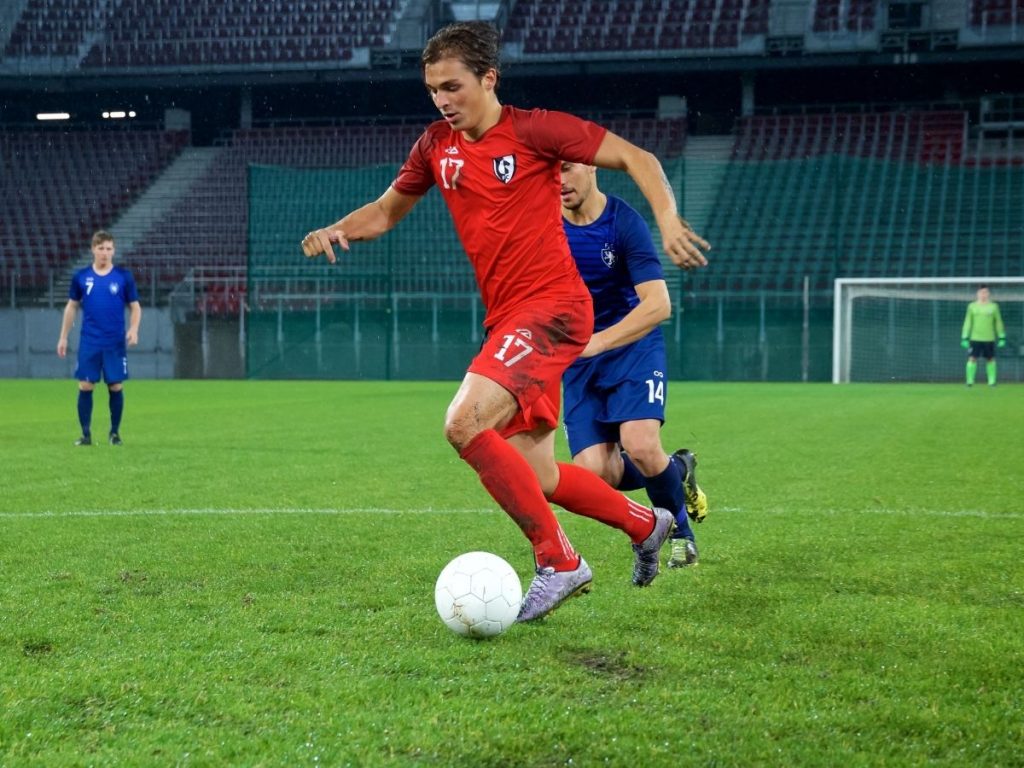
Key Players to Follow During the Group Stage of the FIFA U17 World Cup 2025
The U17 World Cup has historically been the launchpad for future football stars. This year’s tournament promises to continue the tradition, spotlighting young athletes whose performances could define their careers. Among the players to watch are several who have already made headlines in their domestic leagues or continental qualifiers.
Germany, the reigning champions, field a squad rich with technically adept midfielders and clinical forwards who emphasize quick transitions and tactical intelligence. Brazil’s lineup features skillful wingers and precocious strikers known for breaking defenses rapidly. England’s contingent boasts physically strong midfielders combined with creative attackers trained in youth academies linked with UEFA champions, while South Korea offers robust defensive players who add resilience to the fast-paced Asian playing style.
- Emerging stars: Young talents from Spain, Nigeria, Germany, and England who have been prominent in youth leagues.
- Key attacking threats: Notable forward players with promising goal-scoring records in qualifiers or previous U17 matches.
- Defensive anchors: Players renowned for tactical discipline and leadership in backline roles, crucial in tight group matches.
- Playmakers: Midfield maestros whose vision and passing can unlock tight defenses and dictate game tempo.
Some names to keep an eye on echo the footsteps of former U17 Golden Ball winners like Toni Kroos, Kelechi Iheanacho, and Phil Foden, who thrived on global stages before breaking through professionally. The presence of sponsors such as EA Sports and Panini underlines the growing significance of marketing in youth football, with digital games and collectible cards featuring these stars, intensifying fan connection.
Qatar’s Role as a FIFA U17 World Cup Host and Its Impact on Global Youth Football
Qatar’s emergence as a prominent FIFA tournament hub has accelerated since hosting the 2022 FIFA World Cup. The 2025 U17 edition demonstrates the country’s commitment to nurturing global football development and providing world-class tournament infrastructure and fan experience. This hosting momentum builds upon previous events including the 2020 Club World Cup and the 2024 Intercontinental Cup.
Although the exact stadiums and host cities remain unannounced, Qatar’s investment in modern sporting venues with cutting-edge technology promises a dynamic atmosphere. The strategic plan to host five consecutive U17 World Cups (2025-2029) positions Qatar as a long-term contributor to global football growth, spotlighting youth development and cultural exchange.
- Leveraging world-class stadium facilities to enhance player performance and fan engagement
- Providing young athletes exposure to international standards and media coverage
- Strengthening football’s global reach through FIFA-sponsored partnerships and broadcasting
- Utilizing corporate sponsorships including Qatar Airways, Samsung, and Coca-Cola to enrich the tournament experience
| Previous FIFA Tournaments Hosted by Qatar | Year | Significance |
|---|---|---|
| FIFA Club World Cup | 2020 | First major FIFA event in Qatar, showcasing global clubs |
| FIFA World Cup | 2022 | First FIFA World Cup in the Middle East, boosting regional football |
| FIFA Intercontinental Cup | 2024 | High-profile club competition further establishing Qatar as host |
Qatar’s hosting also has socio-cultural benefits, facilitating global youth athlete interactions and showcasing Middle Eastern hospitality on a grand stage. The country’s strategic focus on environmental sustainability at sports venues illustrates a forward-thinking approach to international event organization. National and international media, buoyed by sponsorship from Visa and Hyundai, will ensure comprehensive coverage to inspire football fans worldwide.

Comprehensive Overview of the Qualification Process and Participating Teams in the 2025 U17 World Cup
The road to Qatar’s 2025 FIFA U17 World Cup involved intense qualification campaigns across FIFA’s six continental federations. This edition broadened its participating pool to 48 teams, highlighting FIFA’s commitment to inclusivity and talent discovery. Qatar secured automatic qualification as the host nation, while the remaining 47 teams earned their spots through regional tournaments.
Each confederation was allocated a designated number of slots: Asia (AFC) received nine places including Qatar, Africa (CAF) secured ten, South America (CONMEBOL) seven, Europe (UEFA) eleven, North and Central America and Caribbean (CONCACAF) eight, and Oceania (OFC) three. This balanced representation ensures a truly global competition.
- Qualification through regional tournaments like AFC U-17 Asian Cup and UEFA European U17 Championship
- Highlighting debutant nations such as Uganda and Fiji, indicating the tournament’s expanding reach
- Reappointment of traditional powers like Brazil, Germany, and France with strong youth programs
- Attention to youth talent pipeline development via club academies and national youth setups
| Confederation | Qualified Teams | Slots | Qualification Date | Previous Best Performance |
|---|---|---|---|---|
| AFC (Asia) | Qatar, Saudi Arabia, Uzbekistan, Indonesia, Japan, South Korea, UAE, North Korea, Tajikistan | 9 | April 2025 (various dates) | Champions (Saudi Arabia 1989) |
| CAF (Africa) | Burkina Faso, Mali, Morocco, South Africa, Zambia, Ivory Coast, Senegal, Tunisia, Egypt, Uganda | 10 | April 2025 | Third place (Ivory Coast 1987) |
| CONMEBOL (South America) | Brazil, Chile, Colombia, Venezuela, Argentina, Paraguay, Bolivia | 7 | April 2025 | Champions (Brazil multiple times) |
| UEFA (Europe) | Belgium, England, Austria, Croatia, Czech Republic, France, Germany, Italy, Portugal, Republic of Ireland, Switzerland | 11 | April 2025 | Champions (France 2001, Germany 2023) |
| CONCACAF | El Salvador, Honduras, Panama, United States, Canada, Costa Rica, Haiti, Mexico | 8 | February 2025 | Champions (Mexico 2005, 2011) |
| OFC (Oceania) | Fiji, New Zealand, New Caledonia | 3 | August 2024 | Round of 16 (New Zealand multiple times) |
This robust selection process ensures a competitive atmosphere where the youth talents from emerging football nations gain valuable international exposure. It also reflects FIFA’s ongoing efforts to diversify global football by bringing new nations into the limelight. Corporate sponsors like Coca-Cola and Samsung back these qualification tournaments, providing critical operational support. Knowing the pathway enhances fans’ understanding and appreciation of the effort behind each team’s road to Qatar.

Where to Access Live Scores, Detailed Match Analysis, and Fan-Centric Content during FIFA U17 World Cup 2025
With the global audience riveted by the FIFA U17 World Cup 2025, accessing live updates and comprehensive match insights is vital for fans, analysts, and scouts alike. Platforms such as Livesport.com deliver a rich repository of live scores, extensive statistics, and real-time commentary. This ensures that followers can track every decisive moment, from goal scorers and red cards to possession percentages and tactical formations.
FIFA’s official website and broadcasting partners provide seamless streaming options and interactive content, including player interviews and behind-the-scenes footage supported by FIFA sponsors like Visa and Hyundai. Fans benefit from intuitive schedules, fixture lists, and standings tables that easily navigate the tournament’s complexities.
- Real-time results with minute-by-minute action and event logs
- Detailed player statistics, facilitating deep-dive analysis to identify the next big football stars
- Interactive fan zones with social media integration encouraged by tournament sponsors
- Access to past match archives for historical context and comparative performance analysis
| Date | Match | Status | Score |
|---|---|---|---|
| Nov 3, 2025 | Costa Rica U17 vs United Arab Emirates U17 | Completed | 1-2 |
| Nov 4, 2025 | Brazil U17 vs Honduras U17 | Ongoing | 0-0 |
| Nov 4, 2025 | Germany U17 vs Colombia U17 | Upcoming | – |
These digital hubs are increasingly integrated with multiscreen experiences, allowing fans to analyze gameplay through multiple camera angles and instant replays. The heightened interaction is further amplified by brands such as EA Sports and Panini offering exclusive digital and physical collectibles linked to players’ performances at the U17 stage.


