
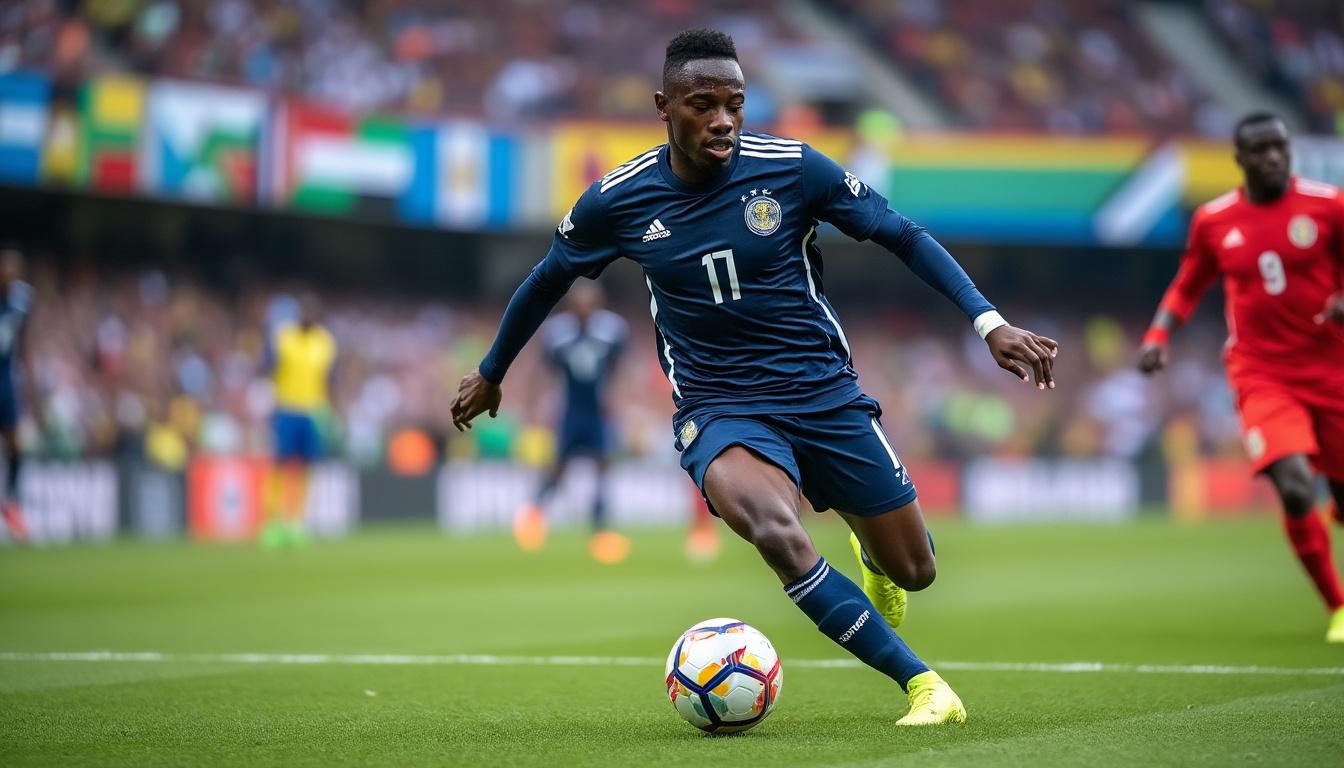
The Africa Cup of Nations (AFCON) 2025 is emerging as one of the most thrilling chapters in football history, showcasing not just the raw power and passion Africa is known for but also revealing intricate layers of team dynamics and player brilliance. With Morocco hosting this prestigious tournament, the air is thick with anticipation as 24 teams bring their finest offensive stats and team performance efforts to the fore. The competition is a vivid illustration of scoring trends, attacking efficiency, and football analysis, highlighting how goals scored and overall attacking strategies are reshaping the contest for continental glory. Across the various groups, the top scoring teams have been relentless, blending speed, skill, and tactical nous to create moments of pure magic on the pitch. This battle isn’t just about who can put the ball in the net the most; it’s about tactical innovation and clinical execution driving the tournament’s narrative.
Behind the high number of goals scored lies a deeper story – one that reveals the tactical blueprints and efficiency metrics that define attacking prowess. Teams like Morocco, Ivory Coast, and Nigeria stand out prominently in this context, combining eye-catching offensive stats with disciplined defensive transitions to maximize their goal conversion rate. This dynamic interplay of numbers and strategies invites enthusiasts to explore AFCON 2025 beyond surface-level excitement and into the realm of detailed, data-driven football analysis. The tournament has become a fascinating case study in how African football balances flair and efficiency, making it essential for fans to keep track of evolving scoring momentum and team aggressiveness. The unfolding drama is backed by key statistical leaders and evolving team performances that promise exhilarating finishes and potentially historic outcomes.
Key points:
- The tournament features 24 teams showcasing varied attacking styles and top scoring squads rising to prominence.
- Morocco leads in squad valuation and boasts impressive attacking efficiency, fueled by stars like Brahim Díaz and Achraf Hakimi.
- Ivory Coast and Nigeria highlight balanced team performances with strong goal conversion rates and tactical discipline.
- Emerging talents and seasoned veterans equally contribute to dynamic scorelines and strategic football execution.
- Advanced statistics such as pressing success rates and expected goals (xG) are pivotal in understanding attacking efficiency.
Top Scoring Teams Driving AFCON 2025 Offensive Dominance
The landscape of AFCON 2025 is dominated by a few powerhouse teams showcasing exceptional attacking firepower and tactical sophistication. Morocco, as tournament hosts, have positioned themselves as one of the top scoring teams, reflecting their strategic emphasis on offensive fluidity and relentless pressure. The team has navigated through qualifiers and early tournament stages with a scoring approach that blends precision finishing and creative build-up play. Strikers like Ayoub El Kaabi have combined with midfield maestros such as Brahim Díaz to present a multi-layered attack that consistently breaches opposing defenses. Their prowess is underpinned by an impressive goal conversion rate, making the Atlas Lions a formidable offensive force.
Nigeria’s Super Eagles have also stamped their authority, combining raw pace with skillful dribbling and aerial prowess. Their attackers, led by Victor Osimhen and Ademola Lookman, deliver acrobatic finishes and intelligent positioning which contribute to their steady goals scored tally. This reflects not only individual brilliance but also collective synergy driven by tactical discipline. A significant highlight is how these players maintain high shooting accuracy, exemplifying effective offensive stats translating into actual results. Nigeria’s ability to adapt to various defensive setups while maintaining attacking momentum speaks volumes about their tactical versatility and preparation.
Ivory Coast’s approach fuses physicality and technical elegance. Midfield generals like Seko Fofana ensure the team’s attack is both dynamic and penetrative, linking up play between defense and forwards efficiently. The Elephants’ strategy combines ball retention with timely crossing and quick one-two passes that unsettle defenders, creating abundant scoring opportunities. Their high key passes count and assist metrics indicate a well-oiled attacking machine focused on exploiting opponent weaknesses. This has established Ivory Coast as a constant threat on the scoreboard, reinforcing their reputation as one of AFCON 2025’s best attacking sides.
Within these top teams, the efficiency of final-third execution emerges as a defining factor. For instance, Morocco’s aggressive pressing not only leads to high ball recoveries but swiftly transitions into rapid attacking plays, maximizing quick scoring chances. Nigeria, while sometimes less explosive in build-up, frequently capitalizes on counterattack situations thanks to Osimhen’s clinical finishing. Ivory Coast balances patience with sudden bursts of creativity, ensuring their goal conversion rate remains among the highest in the tournament.
Such offensive success stories cannot overlook the impact of emerging attackers from teams like Senegal and South Africa, who also contribute significantly to AFCON’s attacking flair. Senegal’s blend of experience and youthful energy ensures a steady stream of goals, with Sadio Mané’s influence extending beyond scoring to assisting and orchestrating attacks. Meanwhile, South Africa’s Percy Tau and Themba Zwane add creativity and pace, enhancing attacking efficiency through intricate passing and dribbling stats that often lead to decisive goals.

Statistical Insights: Decoding Attacking Efficiency and Goal Conversion Rate
The statistical bedrock of AFCON 2025 reveals fascinating insights into each team’s attacking efficiency and goal conversion rate. Beyond the raw goals scored figures, metrics like expected goals (xG), shots on target percentage, and key passes highlight deeper trends influencing team performance. Morocco, for example, leads with a high pressing success rate that correlates with increased possession in dangerous areas and rapid transitions. Players like Brahim Díaz don’t just win accolades for goal tallies but also for creating space and delivering smart assists, illustrating the multifaceted nature of attacking metrics.
Ivory Coast’s midfield duo, Franck Kessié and Seko Fofana, provide compelling data to explain the Elephants’ balanced attacking approach. Their blend of interceptions, progressive passes, and accurate distribution under pressure supports a sustained offensive rhythm crucial for scoring. High pass accuracy combined with a significant number of key passes per game manifests in the team’s ability to break down defenses efficiently. This is a textbook example of how controlling midfield dynamics translates into enhanced attacking output.
Nigeria’s attacking stats emphasize shot conversion efficiency and aerial dominance, making their offense not only threatening on the ground but also lethal in set-piece situations. Victor Osimhen’s goal conversion rate stands out, as he consistently converts chances into goals with clinical precision. This efficiency extends team scoring capacity even when overall possession stats fluctuate against stronger opponents.
Detailed football analysis also brings to light tactical aspects affecting attacking efficiency. Teams employing wing-backs to amplify attacking width, or those using fluid interchanges in midfield, typically display higher assist counts and goal involvement diversity. Pressing intensity, measured through successful ball recovery and duels won, often sets the tempo for offensive transitions, demonstrating a direct statistical link between defensive pressure and attacking success.
A structured approach to taking advantage of set pieces complements open-play efficiency across many squads, boosting goal-scoring opportunities. The cumulative effect of these stats confirms that protecting and increasing attacking efficiency involves harmonizing multiple layers of play, from build-up creation to final execution. Interested readers can explore detailed breakdowns of tournament favorites and their offensive strategies, while tracking evolving live scores and key statistical updates provides real-time context to these numbers.
Financial Worth and Squad Value: Correlating Market Value with Top Scoring Teams
Player valuations and squad financial worth offer another layer to understanding the offensive juggernauts of AFCON 2025. Morocco tops the valuation charts with a €361 million squad, powered by marquee names like Achraf Hakimi (€60 million) and Brahim Díaz (€40 million). Their combined market values align with standout statistical performances, reinforcing the idea that investments in quality talent directly impact attacking efficiency and goals scored totals. This financial muscle has made Morocco a beacon of both promise and execution in the tournament.
Nigeria follows closely with a €333 million squad valuation, highlighted by Victor Osimhen’s staggering €75 million price tag, making him the most valuable African player. This market recognition mirrors Osimhen’s statistical dominance in goal conversion and shot accuracy. Ademola Lookman’s contributions in dribbling and chance creation further solidify Nigeria’s robust offensive framework, demonstrating that high-value players are not just marquee stars but vital contributors to team success.
In third place, Ivory Coast’s squad valuation stands at €261 million. This balanced investment in both young and experienced talent pays dividends on the field. Players like Ousmane Diomande and Simon Adingra offer dynamic running and sharp passing, complementing veterans who ensure consistent midfield control. Senegal, Egypt, and Algeria also field squads with notable valuations ranging between €130 million and €231 million, illustrating competitive financial depth that translates into measurable attacking results.
| Team | Squad Value (€ million) | Key Players | Top Statistical Contributors |
|---|---|---|---|
| Morocco | 361 | Achraf Hakimi, Brahim Díaz | Hakimi (Defensive Recoveries), Díaz (Goals & Assists) |
| Nigeria | 333 | Victor Osimhen, Ademola Lookman | Osimhen (Goal Conversion), Lookman (Dribbles & Assists) |
| Ivory Coast | 261 | Franck Kessié, Seko Fofana | Fofana (Pass Accuracy), Kessié (Midfield Duels) |
| Senegal | 231 | Sadio Mané, Kalidou Koulibaly | Mané (Assists & Leadership), Koulibaly (Defensive Blocks) |
| Egypt | 130 | Mohamed Salah, Omar Marmoush | Salah (Shots on Target), Marmoush (Chances Created) |
This intersection of financial evaluation and on-field performance offers fans and analysts a nuanced view of how statistical impact and market worth translate into AFCON 2025’s attacking success stories. For further insights into how these valuations influence lineup strategies and team dynamics, platforms like key player analyses and team news updates prove invaluable resources.
Breakout Stars and Veteran Leadership: The Dual Engines of AFCON Scoring Prowess
The tournament’s unfolding narrative celebrates a blend of breakout stars lighting up scoreboards and seasoned veterans orchestrating attacks with unmatched composure. Emerging talents such as Burkina Faso’s Dango Ouattara and Mali’s Diadie Samassekou bring fresh energy to AFCON 2025, demonstrating impressive stats in dribbling, chance creation, and pressing efficiency. These players symbolize Africa’s evolving football future, delivering noteworthy contributions that disrupt defensive setups and fuel their teams’ offensive thrusts.
Meanwhile, veteran maestros like Egypt’s Mohamed Salah and Tunisia’s Youssef Msakni anchor their sides with expert positioning, timely crosses, and clutch finishing. Salah, in pursuit of a continental title that would crown his remarkable career, consistently influences matches beyond his goal tally, evidenced by his high rate of shots on target and key touches within the opponents’ penalty area. Msakni’s disciplined defensive work also enhances his team’s ability to maintain clean sheets and launch attacking transitions. This synergy between youthful exuberance and seasoned mastery crafts the distinctive flavor of AFCON 2025’s attacking excellence.
Fans can track these dual forces closely, noting how emergent stars often benefit from veteran guidance, creating an ecosystem that fosters sustained offensive productivity. The mix ensures AFCON scoring trends display both raw skill and strategic maturity, creating unforgettable moments that punctuate the tournament’s progression. More on these compelling dynamics can be followed in detailed scouting reports and underdog previews that often highlight the disruptive potential of breakout talents.
How Advanced Match Statistics Reveal the True Story Behind AFCON 2025 Team Performances
The real football story of AFCON 2025 unfolds through intricate advanced stats that offer a window into each team’s underlying strengths and weaknesses beyond mere goals. Metrics like expected goals (xG) illuminate whether teams are converting chances at a sustainable rate or relying on flashes of brilliance. Morocco’s impressively high xG combined with solid defensive duels won underlines their balanced dominance. Similarly, Nigeria’s success in aerial duels and shot accuracy creates a dual-threat that analysis confirms is difficult for opponents to counter.
Defensive stats such as blocks, interceptions, and successful clearances also give context to attacking stats. Tunisia’s defensive resilience, demonstrated by a high number of interceptions and clean sheets, frustrates opponents’ attacking rhythm and indirectly supports scoring efforts by launching counterattacks. South Africa’s tactical cohesion shows up in pressing stats, creating turnovers that lead to fast breaks and scoring chances. These nuanced statistical narratives enrich the viewing experience, illustrating that team performance is a complex tapestry woven from offensive pressure, defensive solidity, and sustained effort.
Supporting this, situational statistics like set-piece goal frequency and transition success rates underscore how diverse elements contribute to the overall attacking efficiency. Fans eager to dive deeper into these evolving dynamics can explore live updates and strategic commentary on streaming platforms offering in-depth football analysis, while score trackers like world cup Africa scores provide real-time data aid in understanding momentum shifts.
Which player has had the strongest statistical impact so far in AFCON 2025?
Achraf Hakimi of Morocco stands out as the most statistically influential player, excelling in defensive recoveries, assists, and contributing significantly to both attack and defense, complemented by leading scorers like Brahim Díaz and Victor Osimhen.
How are team valuations connected to their player performances in AFCON 2025?
High squad valuations often correlate with strong player performances, as clubs invest in top talents who deliver notable contributions in goals, assists, defensive actions, and overall team performance, reflecting in attacking efficiency.
What tactical trends enhance attacking efficiency in AFCON 2025?
Key trends include strategic pressing for ball recovery, fluid positional interchanges in midfield, use of wing-backs for width, and quick counterattacking transitions, all boosting offensive stats and goal-scoring opportunities.
Who are the breakout stars to watch during AFCON 2025?
Emerging talents such as Dango Ouattara from Burkina Faso and Diadie Samassekou from Mali are making significant impacts through skillful dribbling, chance creation, and pressing, signaling Africa’s next-generation stars.
What makes AFCON 2025 unique in terms of player impact and statistics?
AFCON 2025 uniquely blends veteran leadership with young emerging talents, displaying a wide scope of statistical impact beyond goals to include pressing intensity, defensive solidity, and tactical versatility, enriching every match with data-driven storytelling.


