
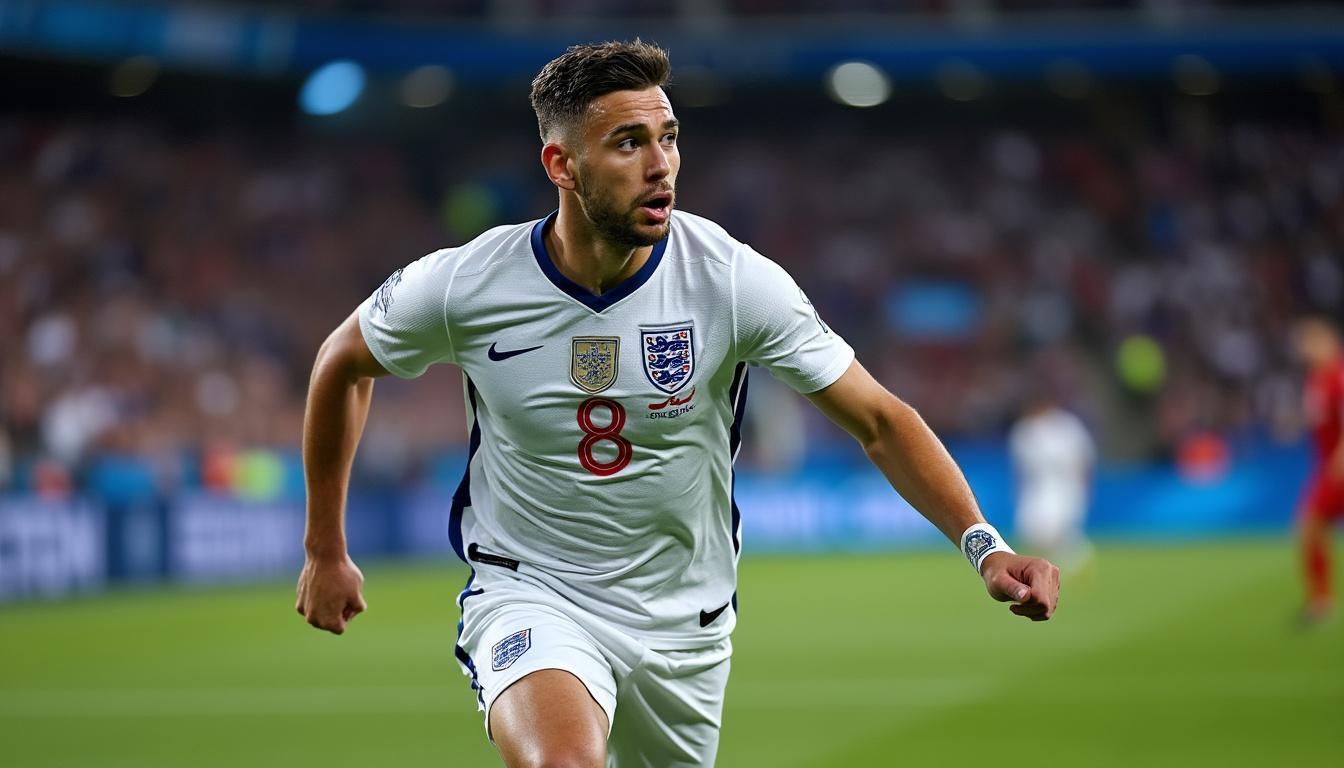
As the 2026 FIFA World Cup unfolds on the grand stages shared by the United States, Canada, and Mexico, England emerges as one of the foremost contenders. Backed by a squad valued at over €9.6 billion and boasting some of the finest midfield talents in recent history, the Three Lions face a complex blend of opportunities and dilemmas. Head coach Thomas Tuchel’s strategic acumen is set to be tested intensely, blending tactical sophistication with player management amid tight schedules and varied climates. This article delves deeply into the intricate selection challenges, explores the essential tactical balance within England’s midfield, and unpacks betting insights that highlight what fans and pundits should watch in this World Cup journey.
- England’s midfield depth poses a unique tactical puzzle for Tuchel, balancing creativity and defensive solidity.
- Automatic selection of key players like Declan Rice and Jude Bellingham is nearly guaranteed, while the bench battles remain fierce.
- Rotation strategies to manage player fatigue will be critical, influencing betting markets on playing time and match impact.
- The shift to a high-intensity 4-2-3-1 under Tuchel elevates midfield dynamics and places a premium on versatile, disciplined players.
- Understanding team chemistry and tournament mentality could prove more decisive than raw talent alone.
Sommaire
ToggleEngland’s Midfield Selection Challenges: Navigating Abundance of Talent and Tactical Fit
Selection for the England midfield at the 2026 World Cup is a complex undertaking due to the sheer depth of quality players available. Thomas Tuchel inherits a midfield considered by many the strongest in England’s recent history, comprising established stars and emerging Premier League talents. Despite this richness, selecting a coherent group that meets the demands of World Cup football requires balancing individual brilliance with team harmony and tactical discipline.
The most pressing challenge lies in identifying which players fit best into Tuchel’s envisioned high-pressing, vertically mercurial 4-2-3-1 system. While Declan Rice stands as the indispensable defensive midfielder—the linchpin who recovers possession and stabilizes the team’s structure—the choice of his midfield partner remains fluid. For instance, Jude Bellingham offers dynamism and goal threat, perfect for an advanced role, yet in certain matches, a more box-to-box or press-resistant player might be favored.
Moreover, competition is fierce among players such as Morgan Rogers, Curtis Jones, and Anthony Gordon, who bring varied skill sets like spatial awareness, passing creativity, and incisive runs. Controversially, players like Phil Foden and Cole Palmer face skepticism around their defensive contribution and tactical adherence, putting their starting roles under threat despite prodigious talent. The decision-making process has significant implications not only for team balance but also for *betting markets* focusing on squad selection and minutes played.
Travel demands and rapid game turnarounds during the tournament add another layer of complexity, requiring Tuchel to anticipate form fluctuations and fitness. Versatility becomes an asset—with players like Rico Lewis valued for multi-positional capability—ensuring coverage across midfield roles in variable conditions and opponent styles. Consequently, late squad announcements and pre-tournament rotation patterns could hold critical clues for tactical intentions, making this selection phase a focal point of fan and analyst speculation alike.
- Core guaranteed selections: Declan Rice and Jude Bellingham
- Key contenders for midfield slots include Morgan Rogers, Curtis Jones, and Anthony Gordon
- Midfielders with dual defensive and creative roles preferred to maintain tactical balance
- Potential exclusion of skilled but positionally limited players like Phil Foden and Cole Palmer
- Importance of player versatility to cover demanding schedules and climate variations
Decoding Tactical Balance: Tuchel’s Midfield Structure and Dynamic Roles in World Cup 2026
Thomas Tuchel’s tactical framework for England signifies a departure from Gareth Southgate’s cautious 3-4-3, moving towards an aggressive, fluid 4-2-3-1 that capitalizes on vertical transitions and coordinated high pressing. The midfield, acting as the engine room of this strategy, reflects a meticulous blend of structural discipline and creative freedom.
The double pivot, typically anchored by Declan Rice, provides solidity and regains possession through relentless pressing. Rice’s range—covering tackles, interceptions, and precise long passes—makes him the heartbeat of the team’s distribution. Alongside him, players like Bellingham or Rogers interchangeably assume roles that oscillate between a creative #8 and a secondary striker, introducing unpredictable attacking bursts and transitional speed crucial to unlocking defenses.
This tactical balance extends to wider midfield roles: Anthony Gordon exemplifies the pressing winger who disrupts opposition build-up, while Morgan Rogers often roams laterally to create overloads or draw defenders out of position. Such positional rotations demand intense physical conditioning and mental acuity—attributes Tuchel has emphasized throughout England’s qualifiers and friendlies.
Another tactical highlight lies in set-piece dominance. Rice’s expert deliveries combined with the aerial threat of defenders like John Stones and Marc Guéhi translate into significant scoring opportunities, adding another dimension to England’s attacking repertoire. Beyond pure formations, the evolving midfield dynamics under Tuchel stress adaptability—midfielders must switch from pressuring opponents high up the pitch to participating in controlled possession phases without losing structure.
Tactically, this system clashes with the expectations and styles of traditional English midfields, requiring players to be both physically robust and technically versatile. The balance tuchel strikes not only shapes match outcomes but also directs the flow of bets on player impact and match predictions. Bettors observing England’s midfield arrangement can anticipate whether Tuchel will prioritize control or explosive counterattacks depending on opposition and match context.
Betting Insights: How England’s Midfield Dynamics Influence Tournament Strategies and Wagering
England’s midfield depth and dynamic configurations offer rich opportunities and challenges for bettors analyzing the 2026 World Cup. The inevitable rotation cycle imposed by the tournament’s demanding schedule—featuring multiple games within days—and the climatic stresses of North American summer intensify the need for managing player workloads tactically.
Betting markets that revolve around player minutes and starting lineups could fluctuate dramatically based on Tuchel’s rotation choices. For example, while Declan Rice’s presence is practically a given, players on the fringe like Curtis Jones or Morgan Rogers may see variable involvement, shifting their betting odds frequently. Anticipating these changes provides an edge for bettors focusing on appearance-based and performance-linked wagers.
Additionally, the contrast between a defensively prudent midfield and a more adventurous one affects game tempo and scoring patterns, influencing match outcome predictions. Tuchel’s inclination to field balanced midfields early in the tournament to preserve energy and then unleash creative midfielders in knockout phases could sway betting strategies related to goals scored and assists, especially from midfielders regarded as ‘impact substitutes’.
Another layer involves the mental and leadership qualities embedded within the squad. Players possessing strong tournament mentality and chemistry—often intangible but influential traits—may outperform raw statistical expectations, impacting live betting and in-play odds. Tuchel’s history of valuing collective intensity over individual flair means bettors must also consider psychological and interpersonal factors when forecasting England’s midfield influence.
To further deepen your understanding of these complexities and keep abreast of evolving situational data, click here for comprehensive insights into England’s midfield depth and its implications on World Cup dynamics.
Player Analysis and Midfield Dynamics: Profiles Shaping England’s World Cup Campaign
Underpinning team strategy are individual performances—each midfielder’s distinct profile contributes uniquely to England’s collective midfield dynamics. Declan Rice anchors the midfield with tireless defensive work, high interception rates, and a calmness under pressure indispensable to Tuchel’s preferred style. Meanwhile, Jude Bellingham blends youth and leadership, driving forward runs, scoring threats, and the ability to operate as a false nine when tactical fluidity demands it.
Emerging talents such as Morgan Rogers and Curtis Jones add intriguing layers of versatility and creativity. Rogers’ intelligent spatial exploitation helps create passing lanes and generate opportunities without congesting the pitch. Jones’ role as a deep-lying playmaker off the bench offers a calming presence capable of steering the tempo during crucial moments.
On the flanks, Anthony Gordon’s relentless pressing and stamina apply constant pressure to opposing midfielders, often forcing turnovers that catalyze rapid counterattacks. This midfield combination is not simply about roles but about how players’ strengths interplay—balancing creative impulse with organizational discipline to ensure the midfield remains a cohesive unit capable of sustaining intensity throughout a grueling seven-match tournament.
This melding of experience and youthful vigor ensures England’s midfield remains tactically malleable, able to adapt to the demands of different opponents and match conditions. The interplay between these players will be a decisive factor; their ability to read the game, orchestrate transitions, and execute Tuchel’s vision will significantly influence England’s chances at finally conquering the World Cup title.
| Player | Role | Age | Key Strengths | Betting Relevance |
|---|---|---|---|---|
| Declan Rice | Defensive Midfielder | 27 | Leadership, Ball Recovery, Passing Range | High likelihood of full matches, key starter |
| Jude Bellingham | Advanced Midfielder | 22 | Creativity, Athleticism, Goal Threat | Frequent starter, dynamic role |
| Morgan Rogers | Attacking Midfielder | 23 | Spatial Awareness, Movement, Defensive Work | Substantial substitute minutes, rotation candidate |
| Curtis Jones | Deep-lying Playmaker | 25 | Vision, Composure, Tempo Control | Valuable impact substitute, potential starter |
| Anthony Gordon | Wide Midfielder | 24 | Pressing, Defensive Tracking, Stamina | Starter or super-sub depending on tactics |
Team Strategy and Match Predictions: Crafting Winning Formula Amidst Midfield Complexity
Buttoning down England’s team strategy for the World Cup inevitably revolves around the midfield’s ability to control the tempo, win possession battles, and facilitate quick attacking transitions. Tuchel’s preference for a resilient defensive midfield coupled with creative adjuncts enables England to tailor their approach based on opponent strength and match context.
Against high-pressing teams, England’s midfield might look more conservative, pairing Rice’s ball recovery with a technically skilled partner like Rogers or Jones to sustain possession and neutralize opposition pressure. Conversely, weaker defensive oppositions could invite a more expansive setup, pushing Bellingham further forward to exploit spaces with his goal-scoring instincts.
Match predictions pivot markedly on these midfield dynamics. One can expect early stage group matches to feature rotational squads balancing fitness and tactical efficacy, transitioning into a more settled core as the tournament progresses. This phased approach also lends itself to variability in betting markets related to goals, assists, and player impact, especially from midfielders who can influence games with bursts of creativity or defensive intervention.
In essence, success for England in 2026 hinges on maximizing their midfield’s breadth of talent and ensuring mental toughness prevails alongside physical resilience. This meticulous orchestration integrates player profiles, team tactics, and opponent analysis into a cohesive strategy aiming to overcome the intense demands of a global tournament.
England’s challenging navigation through midfield selection intricacies and tactical planning is a critical storyline as the World Cup beckons. The ability to unify a talented yet diverse pool into a balanced, focused unit will likely define their tournament trajectory in key matches.
Who are the guaranteed starters in England’s midfield?
Declan Rice and Jude Bellingham are almost certain starters, with their leadership, tactical adaptability, and consistent performances securing their places.
What tactical formation will England likely use in midfield?
Thomas Tuchel favors a 4-2-3-1 setup emphasizing high pressing, quick vertical transitions, and positional rotations.
How does England’s midfield depth affect betting markets?
The competition for playing time and rotation strategies create variability in markets focused on minutes played, goal involvement, and match appearances.
Why might some talented players be excluded from the starting lineup?
Players like Phil Foden and Cole Palmer might be sidelined due to tactical fit concerns, especially defensive contribution and positional discipline.
How important is player versatility in England’s World Cup squad?
Versatility is crucial given the demanding schedule and climate conditions; players who can cover multiple midfield roles increase tactical options.


