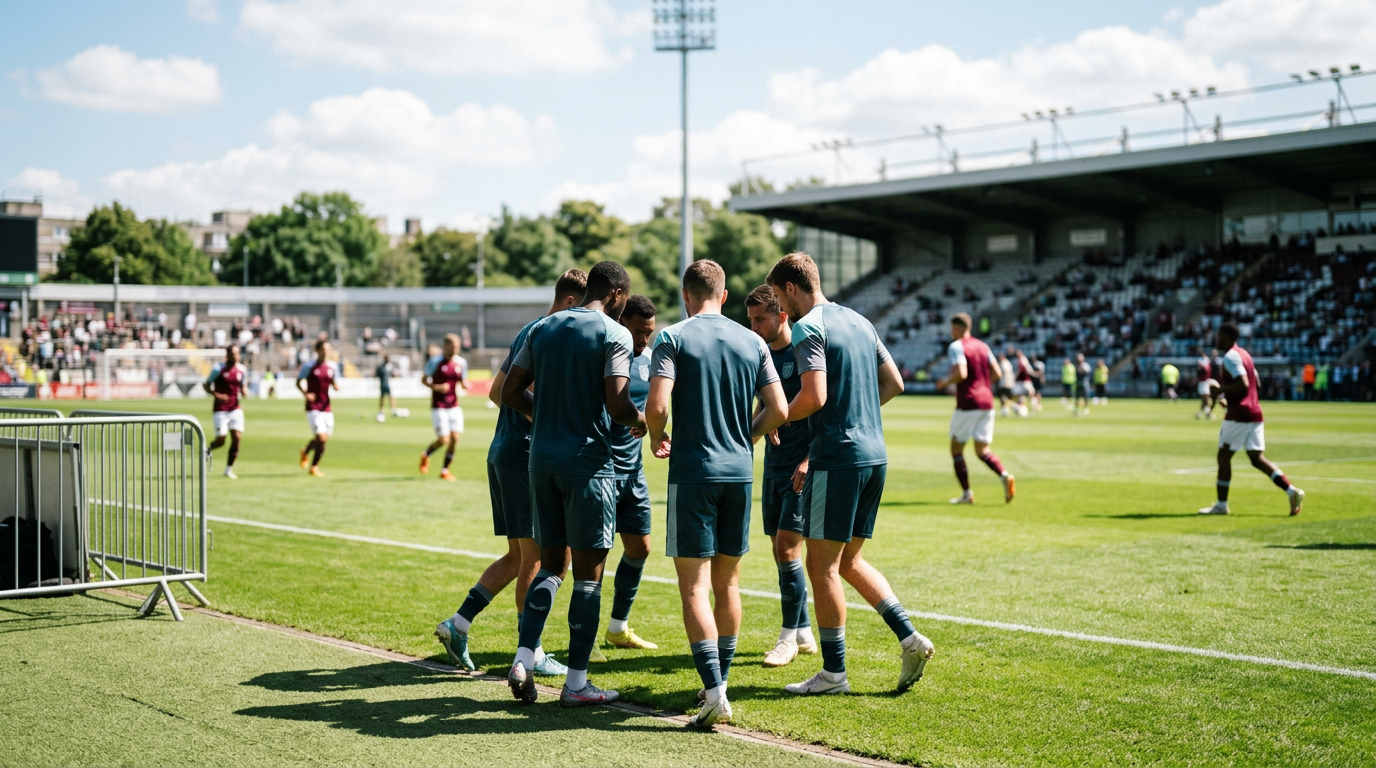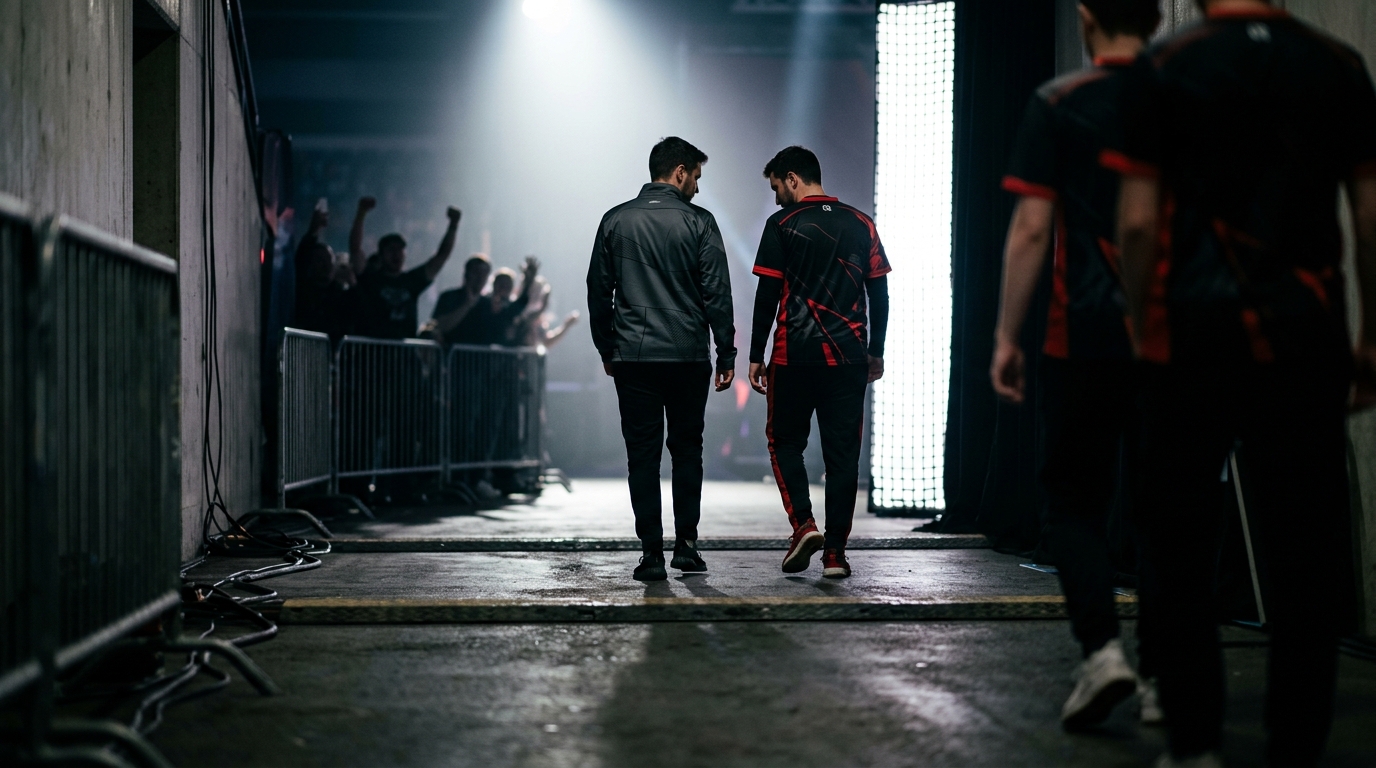
Who really made the play calls that changed history? Esports has always been obsessed with leadership, but the captain’s chair is where legacies are built or shattered. Since the earliest days of team-based competition, captains have been either hailed as masterminds or crucified as scapegoats. The debate over who stands atop this volatile pyramid is as old as esports itself. Every new tournament just throws gasoline on the fire.
Historical context? Look at the original StarCraft team leagues, where a single captain’s draft pick could make or break a season. Strategy was often improvised, but the rise of dedicated captains turned chaos into calculated domination. That shift redefined how teams approached preparation and in-game adaptability. Every era since has been shaped by those willing to take the heat, and the credit.
The Metrics Don’t Lie. But They Never Tell the Whole Story
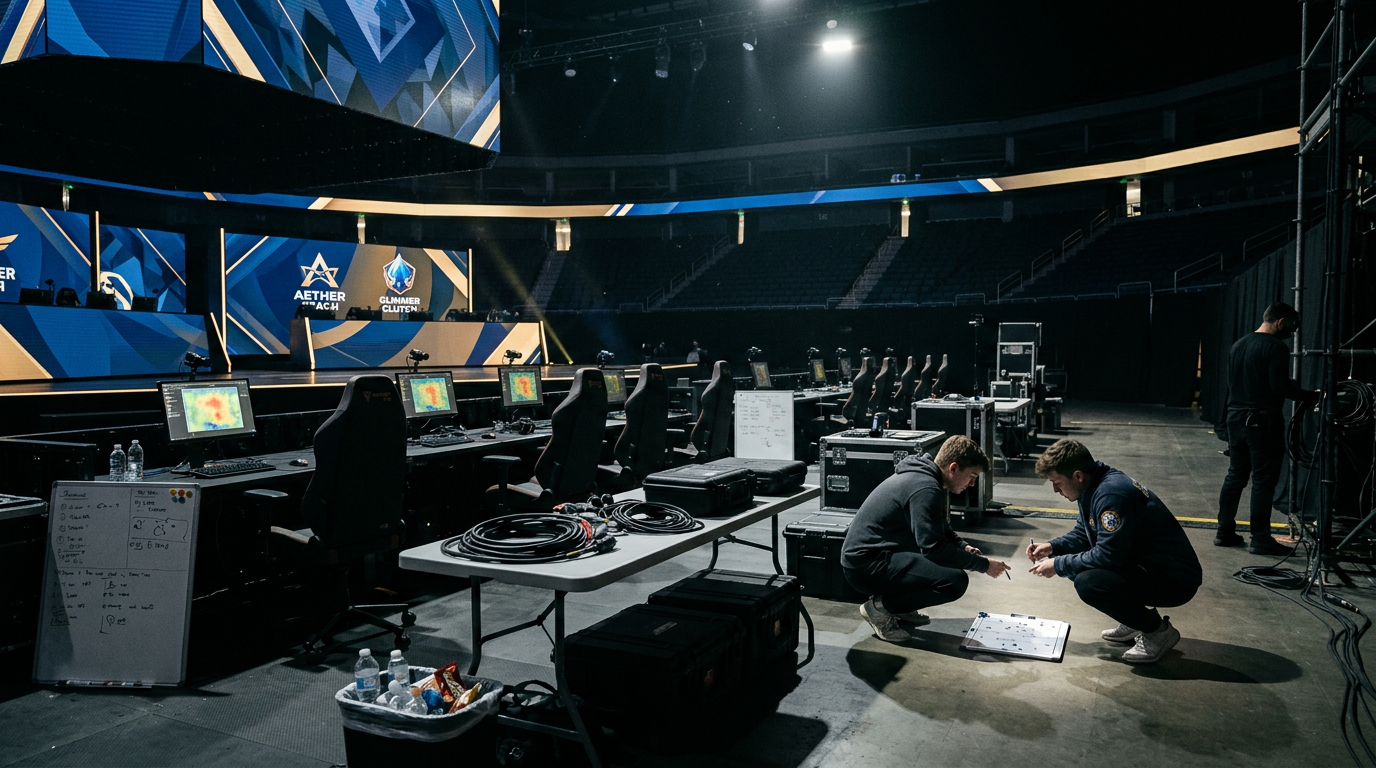
Numbers matter, but so does the aura. The most influential captains aren’t just stat monsters; they warp the entire competitive landscape. Any era, any game, the pattern repeats: teams led by true captains consistently punch above their weight. Their fingerprints are all over the meta, from draft picks to mid-game pivots.
Recent performance metrics only strengthen the case for captaincy as the ultimate x-factor. Teams with established, authoritative captains post higher win rates in high-stakes matches. Historical data shows squads with stable leadership average a 15% better performance in elimination rounds compared to those in constant flux. Coincidence? Hardly.
Influence goes beyond calling strats or stacking trophies. Team dynamics are everything. The best captains keep egos in check and foster trust, holding an iron grip on locker room culture. Iconic captains aren’t always the flashiest fraggers. Sometimes, the quiet ones set the tempo, dictate rotations, instill discipline, and make the impossible look routine.
Tactical innovation is the lifeblood of esports. Visionary captains push the envelope, gambling on off-meta picks or orchestrating risky split pushes that leave analysts scrambling. These gambits don’t always succeed, but when they do, they become immortalized as turning points in competitive history.
Head-to-head records tell another story. The best captains aren’t just beating up on the weak, they’re slaying giants, outmaneuvering rivals in the most pressure-packed scenarios. Consistency against top-tier opposition is the true test. Captains who repeatedly outperform their peers in finals and playoffs cement their status. Pretenders get exposed under the bright lights.
Recent form can’t be ignored. The esports landscape is a shark tank, and yesterday’s genius is today’s meme if they can’t adapt. Captains who stay relevant evolve constantly, absorbing new tactics and integrating fresh talent without missing a beat. Survival of the fittest rules here, and only the sharpest minds endure.
Competition hinges on this. Every team analyst, coach, and owner is searching for the elusive “winning formula,” but the captain’s influence stands apart. A great captain can turn a roster of journeymen into world-beaters. A weak leader can sink a superteam before group stage is over. Cold, hard results back this up season after season.
Predictable leadership? Forget it. Technology is pushing new frontiers, and the next wave of captains will have to navigate not just the enemy team but also the ever-evolving digital landscape. As innovations like VR and the metaverse reshape the competitive space, the demand for decisive, adaptable leadership will only intensify.
The debate rages on. Who belongs on the Mount Rushmore of esports captains? The answer shifts with every new upset, every legendary comeback, every moment when a single voice cuts through the noise and rewrites the script. In esports, the captain’s shadow looms larger than any scoreboard ever could.