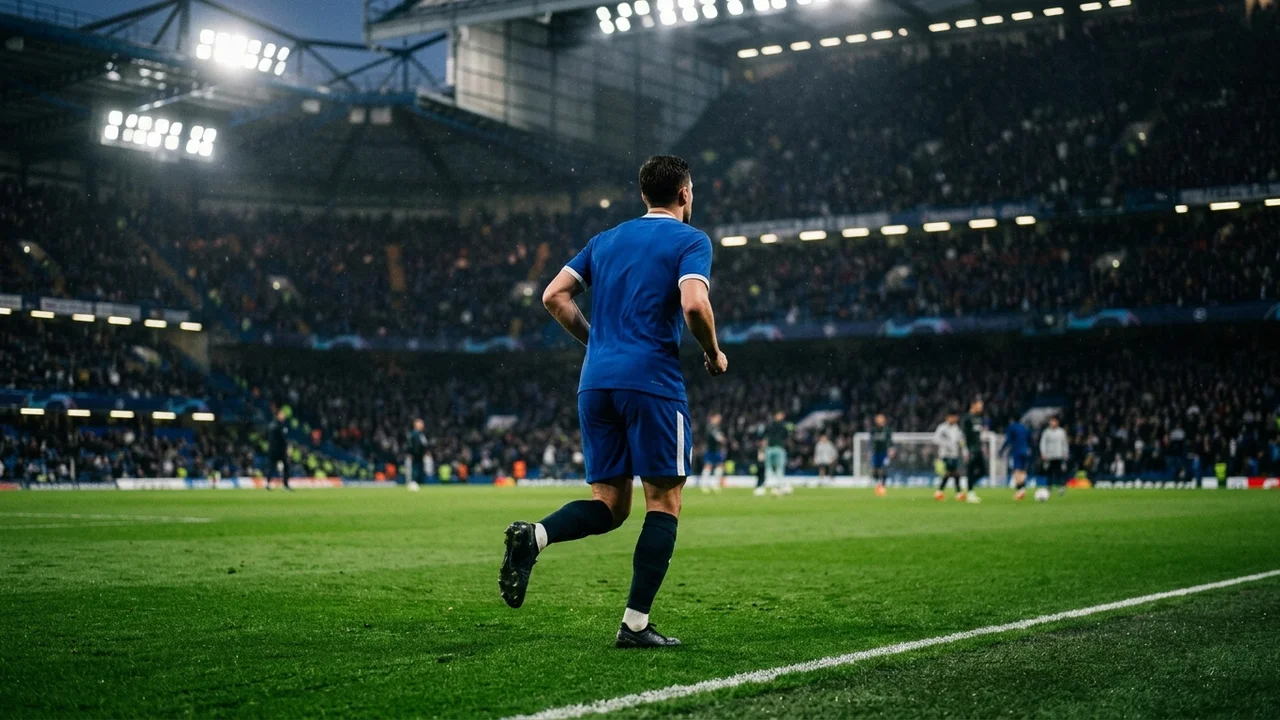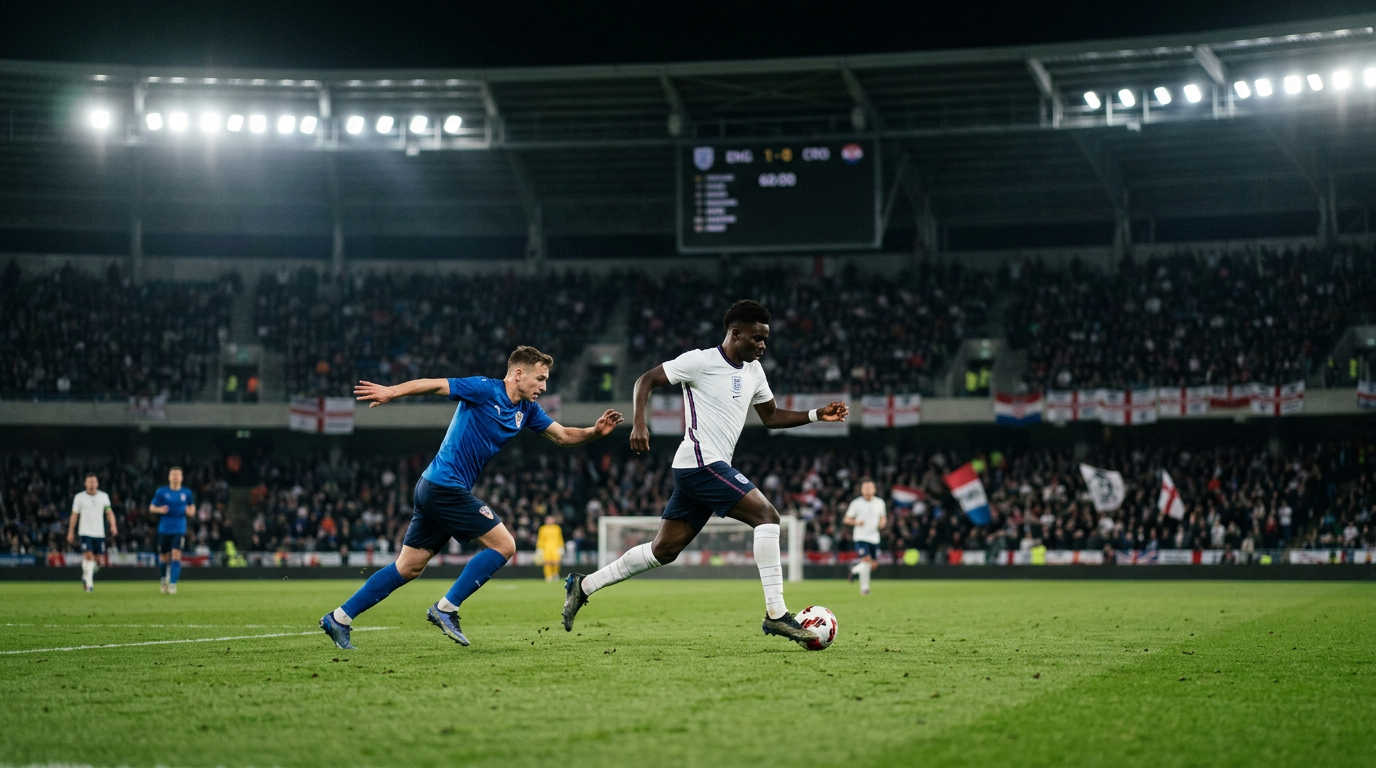
Noni Madueke’s sudden elevation to England’s World Cup starting lineup has forced the national team’s technical staff and analysts to rethink their tactical models on the fly. The 24-year-old winger, whose £50 million move to Arsenal last summer sparked fan backlash and even an online petition, now finds himself at the heart of England’s evolving attacking identity.
England’s 4-2 win over Croatia in their World Cup opener showcased Madueke’s influence. He won the penalty that allowed Harry Kane to open the scoring, but his impact ran deeper. Madueke’s one-on-one dribbling and progressive carries drew praise from manager Thomas Tuchel, who called him a “difference-maker.” Tuchel’s squad selection has leaned into physicality and direct running, echoing Premier League trends. The results are clear in the numbers: England’s right-side attack saw a 17% jump in box entries compared to their qualifying average, and Madueke played a part in three of the four high-value chances created against Croatia.
England’s usual reliance on Bukayo Saka at right wing has been upended. Saka, expected to start before an Achilles injury, now shares the role with his Arsenal teammate. The two are locked in a unique competition for minutes at both club and international level. Saka, who earned his 50th cap in the Croatia match, called the situation “unique.” Analytics back up the shift: with Madueke in the lineup. England’s attacking width and dribble success rate on the right have climbed.

Here’s how England’s right wing metrics stack up with Saka versus Madueke:
| Metric | With Saka (Qualifiers Avg) | With Madueke (v Croatia) |
|---|---|---|
| Dribble success rate (%) | 62 | 74 |
| Box entries from right side | 8 | 12 |
| Key passes from right wing | 1.7 | 3 |
| Penalties won | 0.1 | 1 |
Tuchel’s preference for Premier League-style physicality has found its match in Madueke. The winger’s knack for beating defenders and generating high xG chances fits England’s current model, which revolves around maximizing Harry Kane’s shot volume. Against Croatia. Madueke played a direct role in three of England’s four goalscoring sequences. The team’s attack tilted toward verticality and early delivery into the box, with Kane’s touches in the penalty area jumping from a qualifying average of 5.2 to 9.
Doubts about Madueke’s transfer fee and initial fan resistance have faded in the face of his numbers. Arsenal’s title-winning season, where Madueke became a regular starter, now looks like the perfect preparation for the demands of tournament football.
The debate over Saka versus Madueke has forced a new look at squad rotation and injury management. With Saka’s fitness still in question. England’s ability to maintain attacking output without a drop-off is now measurable. Having two elite right wingers, both producing above-average dribble and chance creation stats, gives Tuchel a rare tactical luxury. Saka acknowledges the “unique” nature of their shared role, but the data points to England’s right flank as a genuine strength.

England’s staff are already tracking Madueke’s recovery and sprint metrics ahead of the next match against Ghana, aiming to keep his performance levels high. The numbers, and the tactical shifts they reveal, are now shaping not just England’s World Cup campaign, but also the broader conversation about player value and selection at the top level.