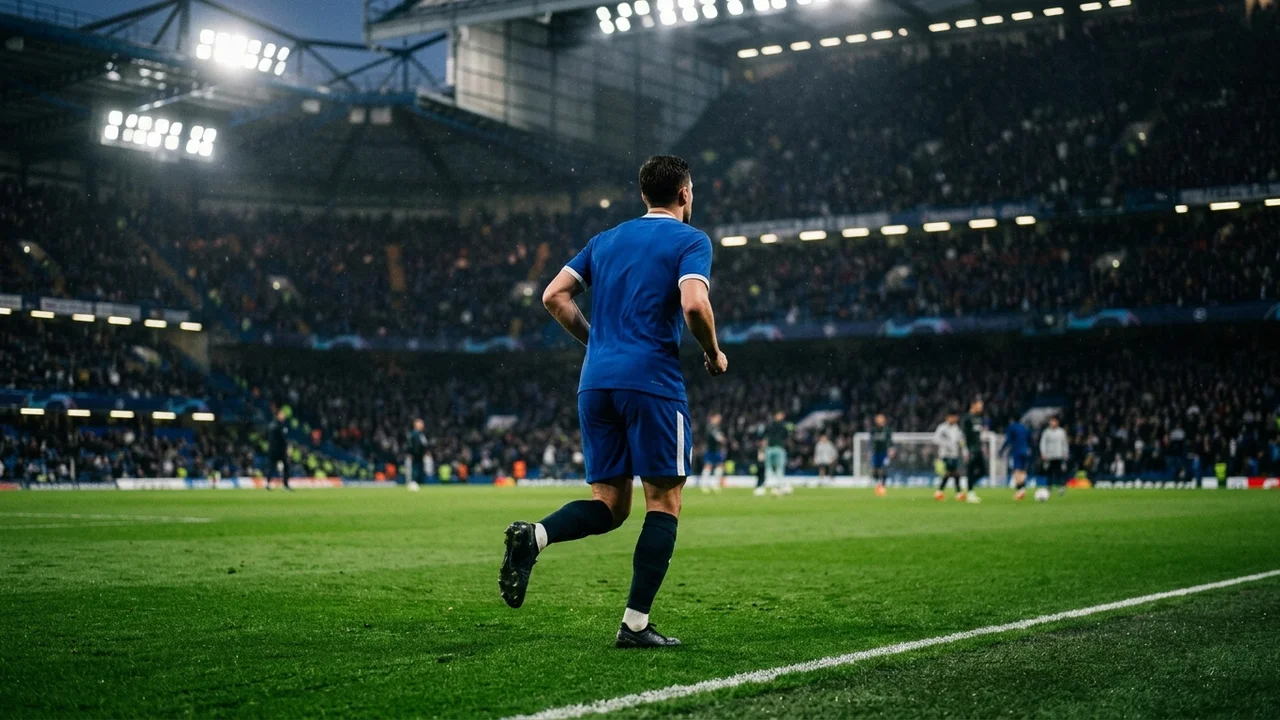
World Cup knockout ties are decided as much by defensive resilience as by attacking flair. When every mistake is magnified and space comes at a premium, coaches must devise specific plans to neutralize strikers who can tilt a match in a single moment.
Compact Blocks and Central Congestion: The Foundation

Elite finishers like Erling Haaland force opponents to abandon generic defensive shapes in favor of targeted containment. Facing Norway, teams know that vertical compactness is non-negotiable. A double pivot shields the center-backs, cutting off service into Haaland’s favored zones. By squeezing the space between the lines, defenders funnel play toward the flanks, keeping Haaland from receiving the ball on the turn near the penalty arc.
Full-backs, who might otherwise invert or overlap, are anchored in place. The back four rarely breaks its horizontal line, denying Haaland the diagonal runs he thrives on. Central defenders stay close, always ready to double up or cover for each other when Haaland darts into the box.
Midfielders drop deep, often forming a temporary back five when out of possession. This plugs the half-spaces and assigns a dedicated marker to shadow Haaland, while a spare center-back sweeps up behind. The system sacrifices some possession but is built to suffocate the striker’s time and space around the area.
Recent Round of 32 matches have forced teams like Mexico and France to rethink their defensive lines in response to similar threats. The challenge isn’t just about numbers. It’s about managing space: the gaps between defenders, the timing of lateral shifts, and the discipline to ignore decoy runs. Elite strikers feed on broken structure. These tactical blueprints aim to keep the defensive shell intact.
Pressing Triggers and Out-of-Possession Patterns
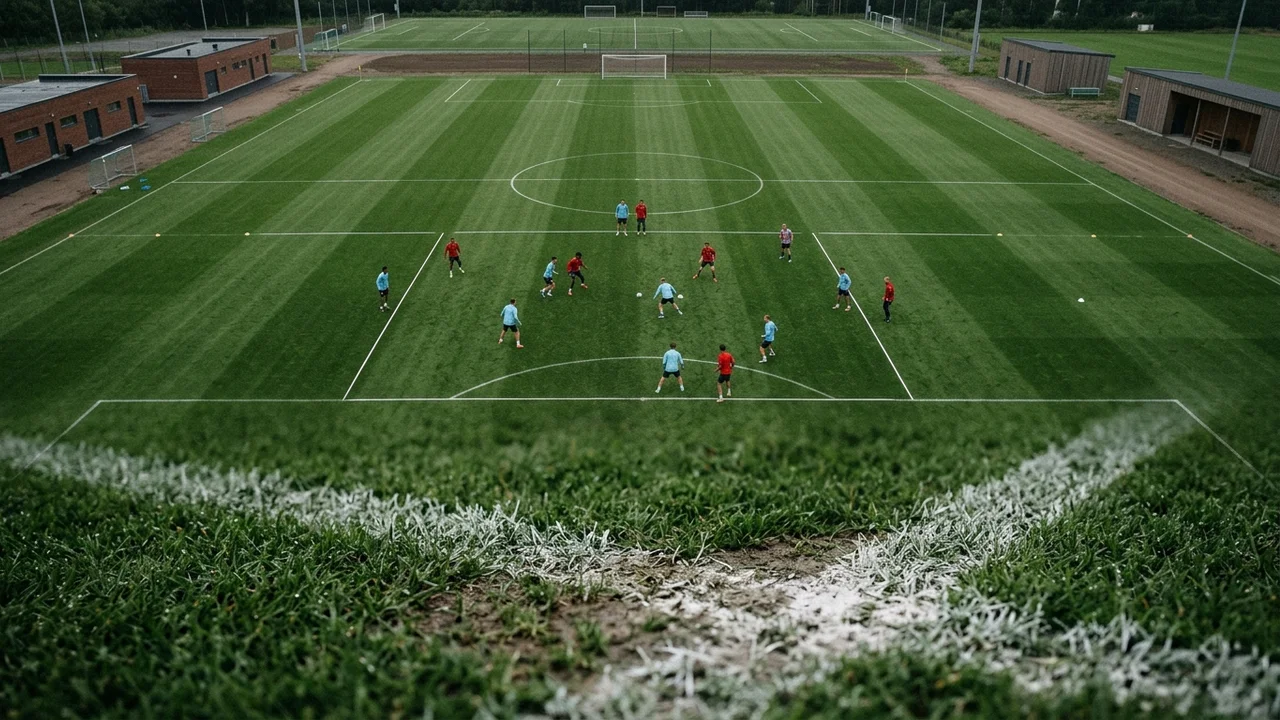
Pressing strategies shift dramatically when facing a striker like Haaland. High pressing is often shelved in favor of a mid-block, keeping play in front of the defense and reducing the risk of a single ball over the top. Pressing triggers are set for wide progression or back passes, with wide midfielders steering play toward the flanks.
The goal is isolation. Haaland is cut off from quick combinations and layoffs. When Norway tries to build through the middle, defensive midfielders step up, sometimes risking fouls to break up play. If the ball goes wide, full-backs and wingers press together, doubling the ball and momentarily leaving the far-side attacker unmarked, a calculated risk with Haaland lurking.
Coordinated pressing is essential. The defensive unit must move as one. If a single player breaks the structure. Haaland’s movement can exploit the gap instantly. Teams that succeed here often use a “shadow cover” approach: one central defender always stays goal-side of Haaland, no matter where the ball is.
Set pieces demand the same discipline. One lapse in marking can erase ninety minutes of defensive work. Teams typically assign their most physical defender to Haaland, but also crowd the six-yard box with zonal marking, daring Norway to find another way through.
Defensive plans evolve as matches wear on. Fatigue forces coaches to choose between holding the block or switching to a back three, trading midfield control for more bodies in central defense. Strikers of Haaland’s caliber make these in-game adjustments a necessity.
The tactical arms race in the knockout rounds is shaped as much by these defensive tweaks as by attacking brilliance. For teams dreaming of a deep run, the question remains: which defensive structure can truly suffocate a world-class striker? The debate continues in tactical analyses like formation choices for World Cup underdogs.
With Haaland and his peers now dictating defensive game plans, the fate of knockout ties often comes down to whether these systems can hold firm under the brightest lights.